


Ethyl Acetate Uses: Industrial Applications
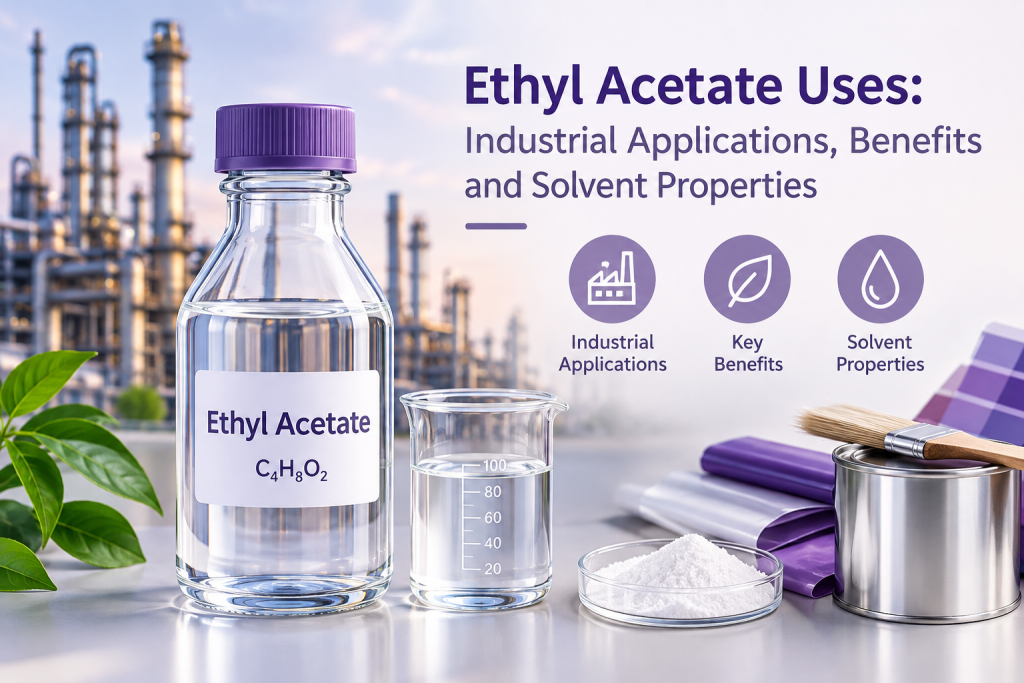
Ethyl Acetate Uses: Industrial Applications Ethyl Acetate Uses include paints and coatings, adhesives, printing inks, pharmaceutical processing, and selected food and cosmetic applications. Ethyl acetate is a volatile organic ester solvent valued for its ability to dissolve many resins and organic compounds and for its relatively rapid evaporation. With the chemical formula C₄H₈O₂ and CAS […]
Xylene Uses: Industrial Applications and Benefits
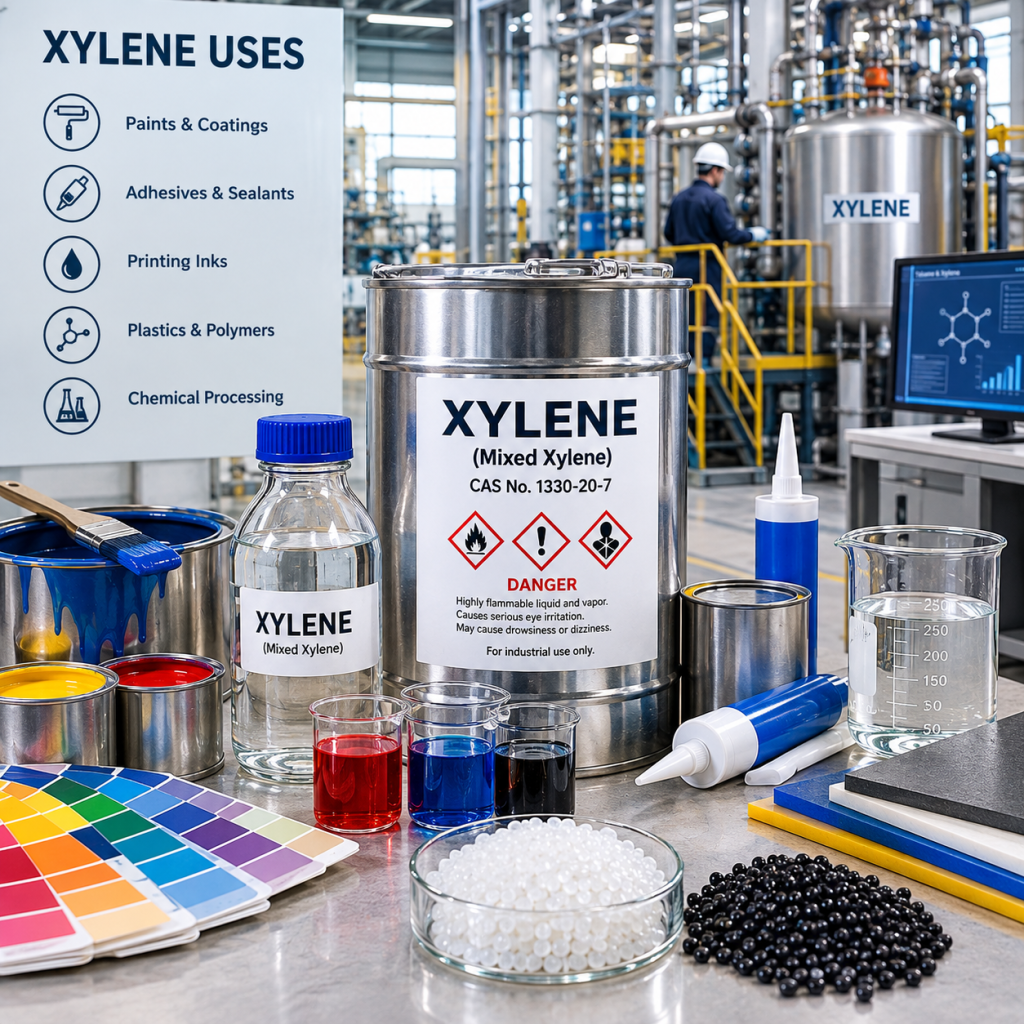
Xylene Uses: Industrial Applications and Benefits Xylene Uses include industrial solvent applications and petrochemical manufacturing. Xylene is an aromatic hydrocarbon available as three isomers—ortho-xylene, meta-xylene, and para-xylene—as well as commercial mixtures known as mixed xylene. Manufacturers use the appropriate grade according to its solvency, isomer composition, purity, and process requirements. From paints and coatings to […]
Methyl Ethyl Ketone Uses: Industrial Applications
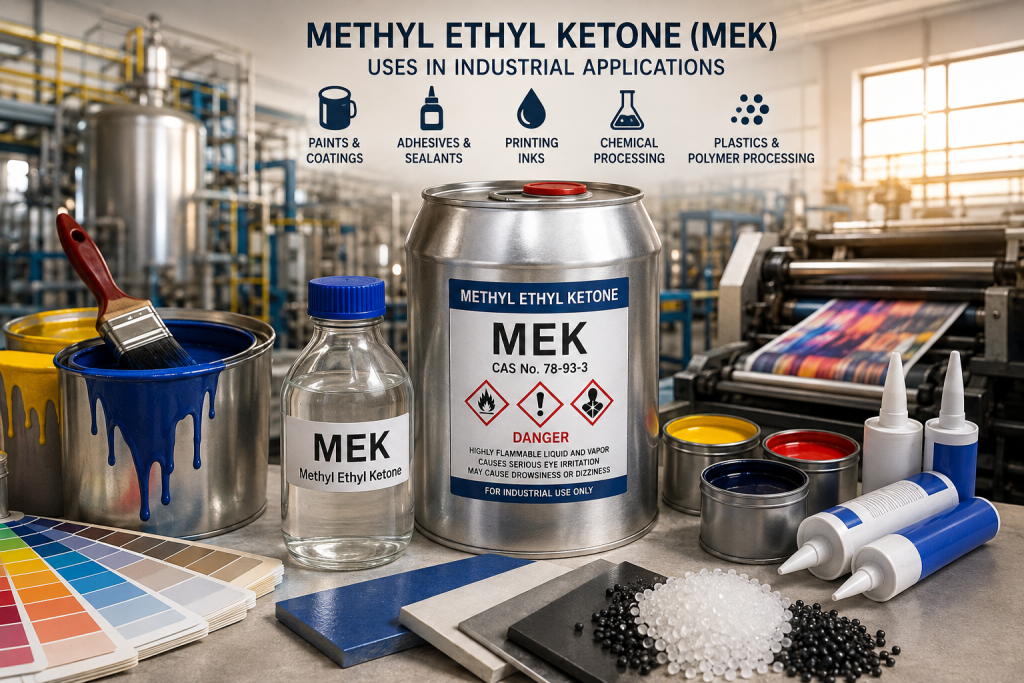
Methyl Ethyl Ketone Uses: Industrial Applications Methyl Ethyl Ketone Uses include solvent applications in paints, coatings, adhesives, printing inks, and selected industrial cleaning processes. Also called MEK or 2-butanone, methyl ethyl ketone is a volatile organic solvent valued for its strong solvency, relatively rapid evaporation, and compatibility with many industrial resins and formulations. Manufacturers select […]
Polypropylene vs Polyethylene: Key Differences
Polypropylene vs Polyethylene: Key Differences, Uses and Benefits Understanding polypropylene vs polyethylene helps manufacturers choose the right thermoplastic for packaging, injection molding, containers, and industrial components. Both materials are lightweight, chemically resistant plastics, but they differ in stiffness, flexibility, heat resistance, and performance in specific applications. What Is the Difference Between Polypropylene and Polyethylene? The […]
Antioxidants for Plastics: Types and Uses
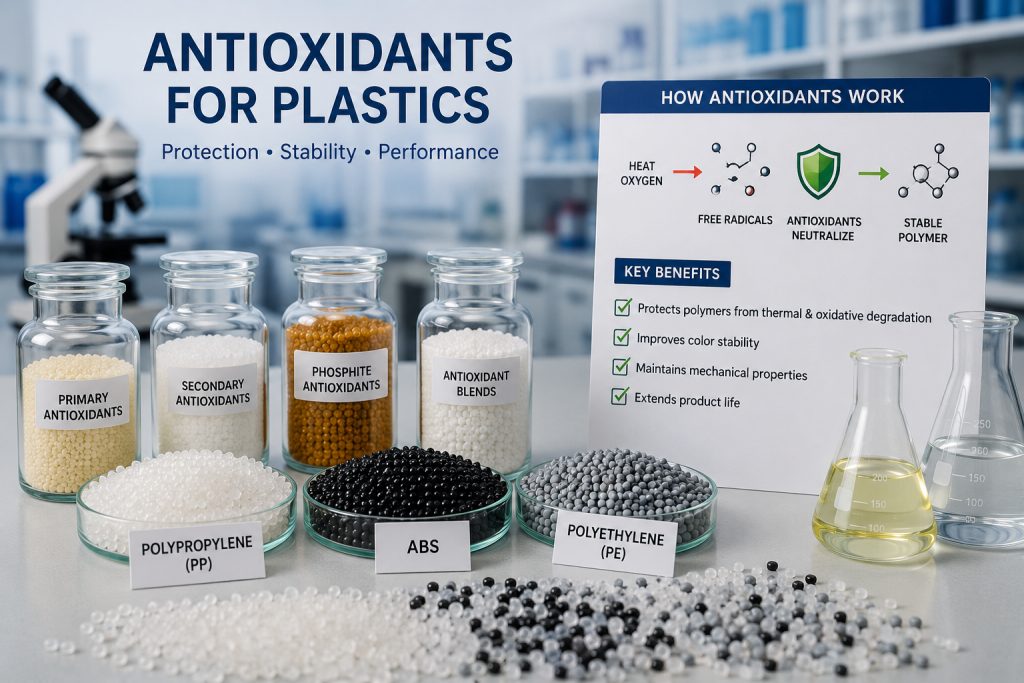
Antioxidants for Plastics: Types, Uses and Benefits Antioxidants for Plastics are polymer additives that help slow oxidation caused by heat, oxygen, and processing stress. They support polymer stability during extrusion, injection molding, compounding, and product use, helping manufacturers preserve material properties and improve processing consistency. Selecting the right antioxidant depends on the polymer type, processing […]
Plastic Injection Molding: Process and Defects
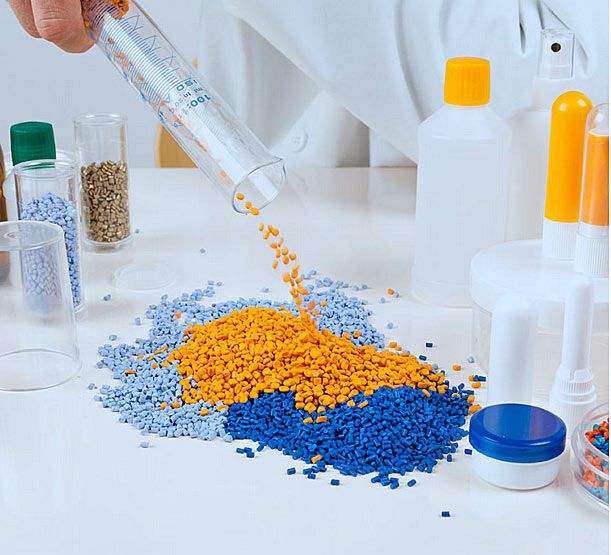
Plastic Injection Molding: Process, Materials and Defects Plastic Injection Molding is a manufacturing process used to produce precise plastic components in medium and high production volumes. It works by melting a thermoplastic resin, injecting the melt into a mold, and cooling it until the part can be removed. Material selection, mold design, and process control […]
Plastic Additives: Types, Uses and Benefits
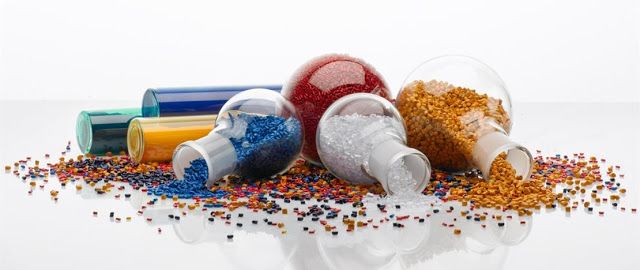
Plastic Additives: Essential Types, Uses and Benefits Plastic Additives are materials incorporated into polymers to improve processing, durability, appearance, and application-specific performance. Depending on their function, these additives can help protect plastics from oxidation, improve impact resistance, increase flexibility, reduce degradation caused by ultraviolet radiation, or modify other material properties. Plastic additives are used in […]
Polypropylene vs ABS: Key Differences
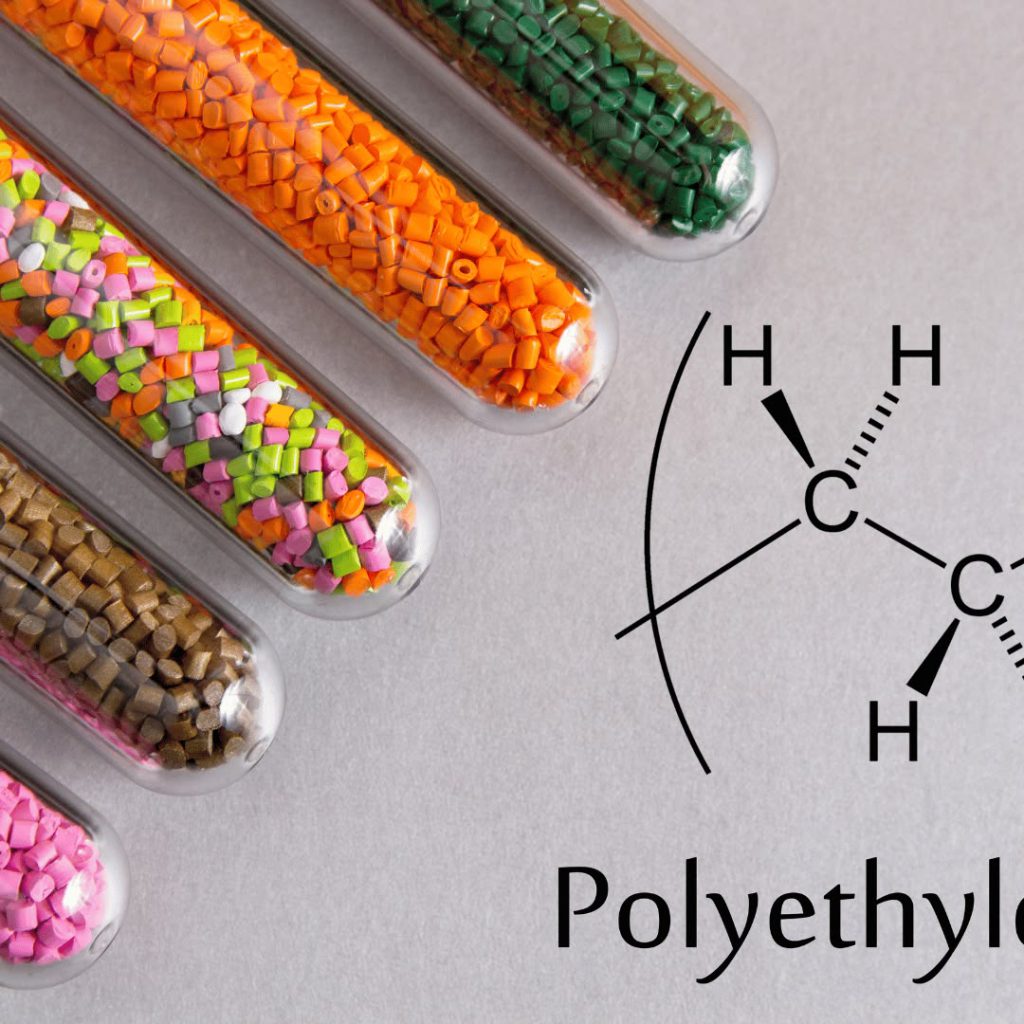
Polypropylene vs ABS: Which Plastic Is Better? Polypropylene vs ABS is an important comparison for manufacturers choosing thermoplastics for injection molding, automotive components, consumer products, and industrial applications. Polypropylene (PP) is generally valued for its low density, moisture resistance, and resistance to many chemicals, while ABS is often selected for rigid components requiring good impact […]
How to Improve Polypropylene Impact Strength
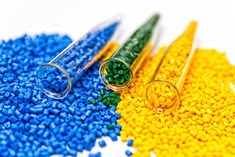
How to Improve Polypropylene Impact Strength Polypropylene impact strength describes the ability of polypropylene (PP) to withstand sudden mechanical loading without fracturing under specified test conditions. Manufacturers can improve this property by selecting a suitable PP grade, evaluating compatible impact modifiers, controlling mineral filler content, and optimizing compounding and processing conditions. The best solution depends […]
Improve Polypropylene Performance
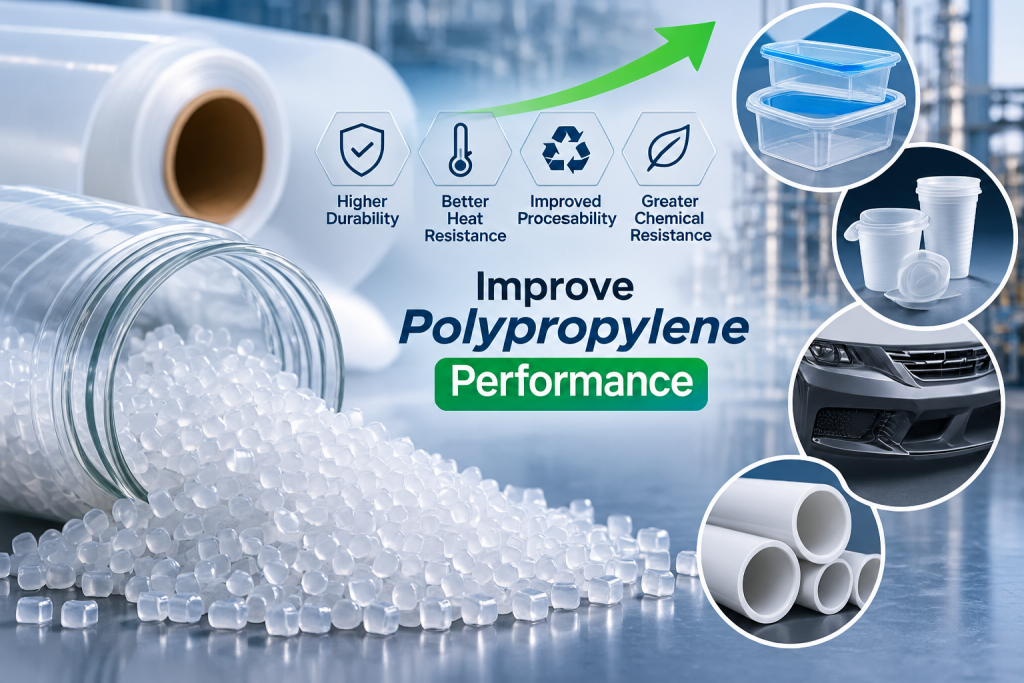
Improve Polypropylene Performance Polypropylene performance depends on the polymer grade, formulation, processing conditions, and intended application. Manufacturers can improve polypropylene properties by selecting suitable impact modifiers, mineral fillers, antioxidants, and UV stabilizers. The right formulation helps balance toughness, stiffness, thermal stability, durability, and processing efficiency while meeting the requirements of industrial plastic products. What Determines […]