


Table of Contents
- How Does Plastic Injection Molding Work?
- Main Steps in the Plastic Injection Molding Process
- 1. Material Feeding and Preparation
- 2. Melting and Plasticization
- 3. Injection and Cavity Filling
- 4. Holding Pressure and Cooling
- 5. Mold Opening and Ejection
- Materials Used in Plastic Injection Molding
- Common Plastic Injection Molding Defects
- How to Improve Plastic Injection Molding Quality
- The Role of Plastic Additives in Injection Molding
- Quality Control in Plastic Injection Molding
- How to Choose the Right Material for Plastic Injection Molding
- Conclusion
- What is plastic injection molding?
- Which materials are commonly used in plastic injection molding?
- What causes warpage in injection molded parts?
- How can manufacturers reduce injection molding defects?
- What role do additives play in plastic injection molding?
Plastic Injection Molding is a manufacturing process used to produce precise plastic components in medium and high production volumes. It works by melting a thermoplastic resin, injecting the melt into a mold, and cooling it until the part can be removed. Material selection, mold design, and process control all influence the quality and cost of the finished component.
Plastic injection molding is widely used in automotive parts, electrical equipment, packaging, appliances, medical devices, and consumer products. Understanding its stages, common materials, and typical defects helps manufacturers improve consistency and reduce production waste.
How Does Plastic Injection Molding Work?
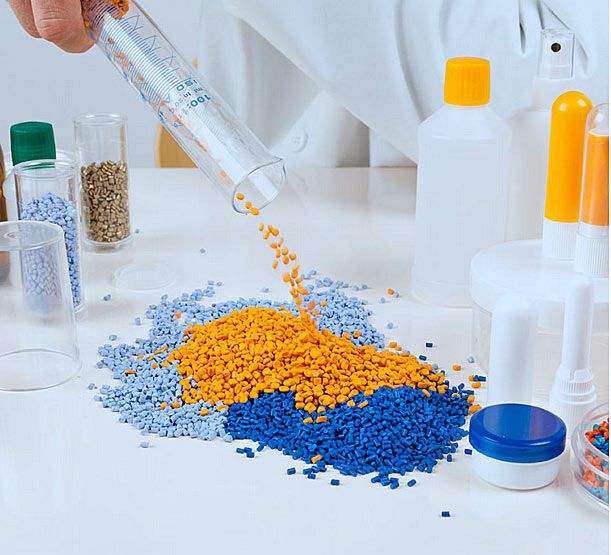
The plastic injection molding process begins when plastic pellets enter a heated barrel through a hopper. A rotating screw conveys and melts the material using heat and mechanical shear. The screw then moves forward to inject a measured quantity of molten polymer into the mold cavity.
After the cavity fills, holding pressure helps compensate for material shrinkage as the polymer cools. The part solidifies, the mold opens, and ejector pins or another suitable mechanism remove the component. The mold then closes for the next cycle.
Temperature, injection speed, pressure, cooling time, and mold design must be coordinated. Incorrect settings can lead to incomplete filling, dimensional variation, surface defects, or unnecessary cycle time.
Main Steps in the Plastic Injection Molding Process
1. Material Feeding and Preparation
Plastic pellets are fed from a hopper into the machine. Some resins, especially moisture-sensitive materials such as many polyamides and polycarbonates, require drying according to the resin supplier’s instructions. Incorrect moisture control can cause surface defects and reduced material performance.
2. Melting and Plasticization
The screw transports the pellets through the heated barrel and converts them into a homogeneous melt. Barrel temperature, screw speed, back pressure, and residence time affect melt quality. Excessive heat or prolonged residence time can degrade sensitive polymers.
3. Injection and Cavity Filling
The machine injects molten plastic through the nozzle and runner system into the mold cavity. Gate design, venting, melt temperature, and injection speed influence how the cavity fills. Proper settings help avoid short shots, burn marks, and weld-line problems.
4. Holding Pressure and Cooling
Holding pressure helps feed additional material into the cavity as the part shrinks during solidification. Cooling then allows the component to develop sufficient rigidity for ejection. Mold temperature, cooling-channel layout, wall thickness, and resin properties all influence cycle time and dimensional stability.
5. Mold Opening and Ejection
When the part has cooled sufficiently, the mold opens and ejector pins or other mechanisms release it. Poor ejection design or insufficient cooling may cause deformation, scratches, or stress marks. The mold then closes and the next production cycle begins.
Materials Used in Plastic Injection Molding
Choosing the right resin for plastic injection molding depends on strength, stiffness, impact resistance, temperature, chemical exposure, appearance, cost, and processing requirements.
| Material | Typical Characteristics | Common Applications |
|---|---|---|
| Polypropylene (PP) | Low density, chemical resistance, fatigue resistance in suitable grades | Caps, containers, automotive parts |
| ABS | Good toughness, rigidity, and surface finish | Appliance housings, consumer products |
| Polyethylene (PE) | Moisture resistance; flexibility varies by grade | Containers, closures, selected molded products |
| Polyamide (PA) | Strength and wear resistance; moisture sensitivity varies by grade | Gears, connectors, mechanical parts |
| Polycarbonate (PC) | High impact resistance and transparency in suitable grades | Protective components, electrical housings |
Polypropylene is frequently selected for lightweight parts and components that require chemical resistance. Manufacturers can also use polypropylene compounds or suitable polypropylene additives to meet specific performance requirements.
Common Plastic Injection Molding Defects
Defects can result from material characteristics, machine settings, mold design, or inconsistent production conditions. Identifying the likely cause is the first step toward selecting an effective corrective action.
| Defect | Possible Causes | Potential Corrective Actions |
|---|---|---|
| Short shot | Insufficient melt volume, restricted flow, low melt temperature, or inadequate injection pressure | Check shot size, flow paths, venting, and validated processing settings |
| Warpage | Uneven cooling, differential shrinkage, or residual stress | Review cooling balance, wall thickness, packing, and mold design |
| Sink marks | Thick sections, insufficient packing, or premature gate freeze | Optimize wall thickness, holding pressure, and gate design |
| Flash | Excessive cavity pressure, damaged parting surfaces, or inadequate clamping | Inspect the mold, confirm clamping conditions, and optimize filling pressure |
| Burn marks | Trapped air, poor venting, or excessive local heating | Inspect vents and adjust filling conditions where appropriate |
| Weld lines | Flow fronts meeting after partial cooling or around an obstruction | Review gate location, flow balance, venting, and processing conditions |
Corrective actions should be based on the actual defect and process data. Increasing temperature or pressure indiscriminately can introduce other problems, including degradation, flash, or longer cooling requirements.
How to Improve Plastic Injection Molding Quality
Consistent plastic injection molding requires a controlled process window. Manufacturers should validate melt and mold temperatures, injection speed, holding pressure, cooling time, and screw settings for each resin and mold combination.
Raw material preparation is equally important. Moisture, contamination, inconsistent resin batches, and poor additive dispersion may affect surface appearance and mechanical properties. Establishing material-handling procedures and documenting machine settings can make production more repeatable.
For modified polypropylene applications, appropriate polymer additives and plastic additive technologies may help achieve targeted impact strength, thermal stability, or processing behavior. The correct choice depends on the complete formulation and must be validated through testing.
The Role of Plastic Additives in Injection Molding
Additives are used to modify selected polymer properties or improve processing performance. Antioxidants can help limit oxidative degradation; UV stabilizers help protect susceptible polymers from ultraviolet exposure; impact modifiers can improve toughness in suitable formulations; and processing aids may improve specific processing characteristics.
Additives do not replace correct machine settings or mold design. Their effectiveness depends on resin compatibility, dosage, dispersion, processing history, and the intended application. Manufacturers should review technical data sheets and assess any regulatory requirements before adopting an additive system.
Quality Control in Plastic Injection Molding
Quality control should begin with incoming material inspection and continue through production and final part evaluation. Depending on the application, checks may include dimensions, part weight, appearance, mechanical performance, melt flow rate, and dimensional stability.
Monitoring process variables such as melt temperature, cavity pressure where available, cycle time, and cooling performance can help identify changes before large quantities of defective parts are produced. Statistical process control may also help manufacturers distinguish normal variation from a developing production problem.
For relevant manufacturing and quality-management information, consult ISO standards and the technical specifications applicable to the product.
How to Choose the Right Material for Plastic Injection Molding
Material selection should begin with the requirements of the finished component. PP may suit lightweight parts that need chemical resistance, while ABS can be useful where toughness and surface finish are important. PA may be appropriate for selected mechanical components, whereas PC is often considered when high impact resistance or transparency is required.
Before finalizing a resin, evaluate operating temperature, mechanical loads, chemical exposure, moisture conditions, appearance, regulatory requirements, production volume, and total cost. Confirm that the material can be processed reliably using the available equipment and mold design.
Conclusion
Plastic Injection Molding is an efficient method for manufacturing consistent thermoplastic components at scale. Reliable results depend on selecting a suitable resin, controlling filling and cooling, designing the mold correctly, and monitoring production quality.
Understanding common injection molding defects helps manufacturers identify root causes, reduce scrap, and improve dimensional consistency. Properly selected additives and polymer compounds can further support application-specific performance when used with validated processing conditions.
Explore the Aasad Chimie products page for product information, or contact Aasad Chimie to discuss industrial chemical and polymer formulation requirements.
What is plastic injection molding?
Plastic injection molding is a manufacturing process in which molten thermoplastic is injected into a mold, cooled, and ejected as a finished component.
Which materials are commonly used in plastic injection molding?
Common materials include polypropylene, ABS, polyethylene, polyamide, and polycarbonate. The right choice depends on the part's performance and processing requirements.
What causes warpage in injection molded parts?
Warpage can result from uneven cooling, differential shrinkage, residual stress, material selection, or mold-design issues.
How can manufacturers reduce injection molding defects?
They can optimize processing conditions, improve mold design and venting, prepare materials correctly, and monitor production variables.
What role do additives play in plastic injection molding?
Additives can support thermal stability, UV resistance, impact performance, or processing characteristics, depending on the polymer and formulation.