


Plastic Injection Molding: Process and Defects
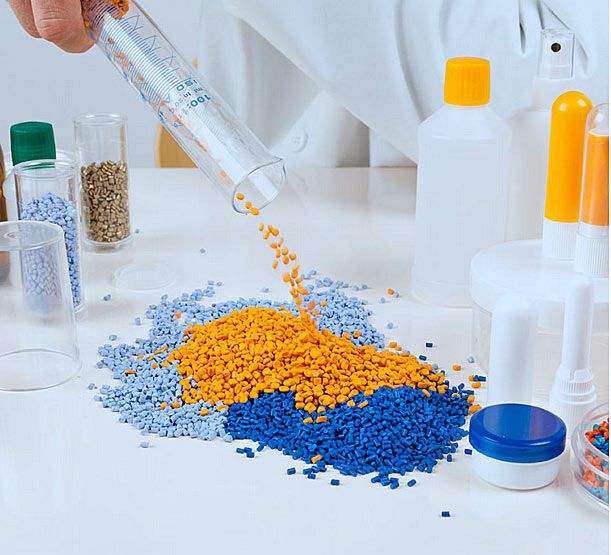
Plastic Injection Molding: Process, Materials and Defects Plastic Injection Molding is a manufacturing process used to produce precise plastic components in medium and high production volumes. It works by melting a thermoplastic resin, injecting the melt into a mold, and cooling it until the part can be removed. Material selection, mold design, and process control […]
Polypropylene Compound Manufacturing Process
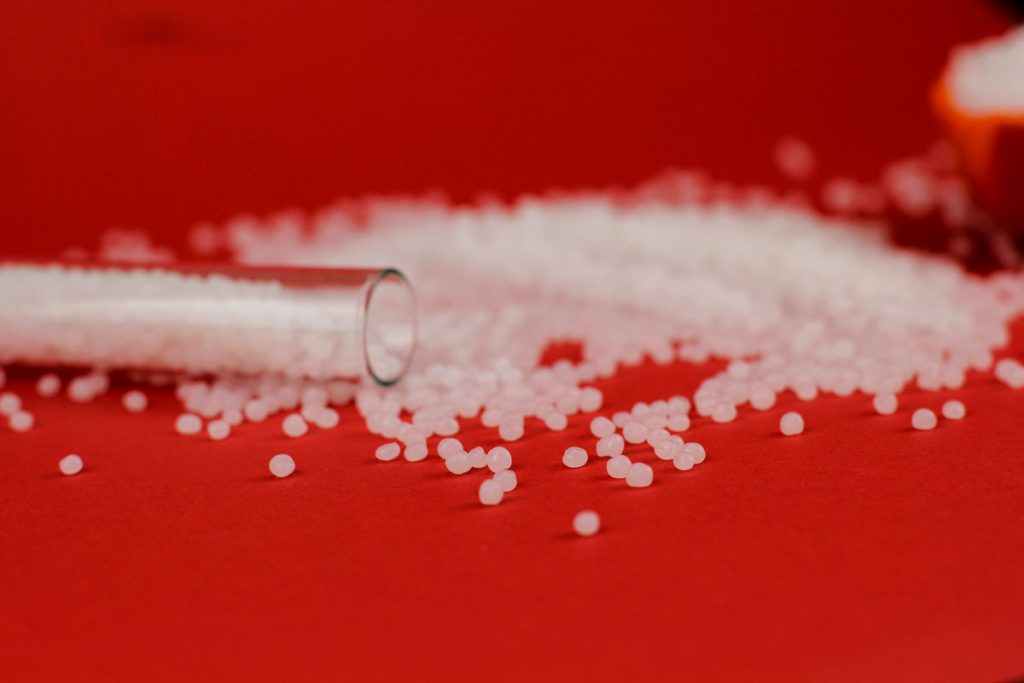
Polypropylene Compound Manufacturing Process The polypropylene compound manufacturing process transforms base polypropylene resin into a customized material by combining it with additives, mineral fillers, and impact modifiers. This process typically includes formulation design, raw material preparation, melt mixing, extrusion, pelletizing, and quality testing to achieve the properties required for industrial applications. Understanding the polypropylene compound […]
Polypropylene Additives in Injection Molding
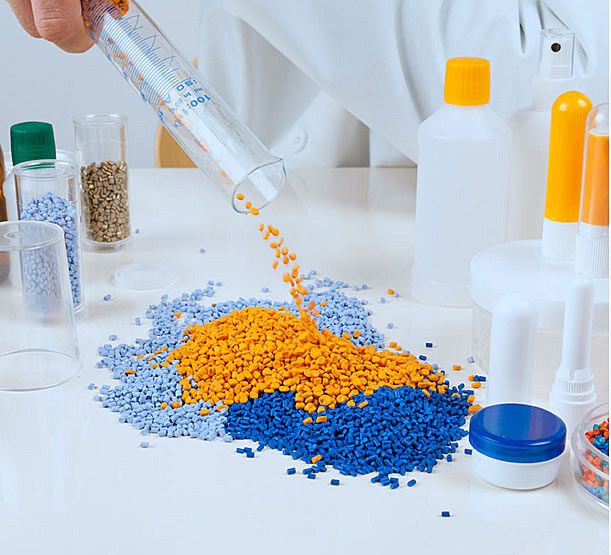
Polypropylene Additives for Injection Molding Polypropylene is widely used in injection molding because of its low density, chemical resistance, stiffness, and processability. However, some applications require additional properties that depend on the resin grade and formulation. Suitable additives can help improve thermal stability, impact resistance, outdoor durability, dimensional stability, and processing consistency. Selecting the right […]
Mineral Fillers in Plastics: Types & Benefits
Mineral Fillers in Plastics: Types, Benefits and Applications Mineral Fillers in Plastics are inorganic materials incorporated into polymer formulations to modify stiffness, dimensional stability, processing behavior, and material cost. Common examples include calcium carbonate, talc, silica, and kaolin. Each filler has different characteristics, so the right choice depends on the polymer, manufacturing process, and required […]
Calcium Carbonate Fillers in Plastics: Benefits
Calcium Carbonate Fillers in Plastics: Properties and Applications Calcium Carbonate Fillers are widely used in plastic manufacturing to modify material properties and manage formulation costs. Depending on the grade, concentration, polymer type, and processing method, these mineral materials can help increase stiffness, influence shrinkage, and improve the cost efficiency of plastic compounds. From polypropylene (PP) […]
Polymer Additives Guide
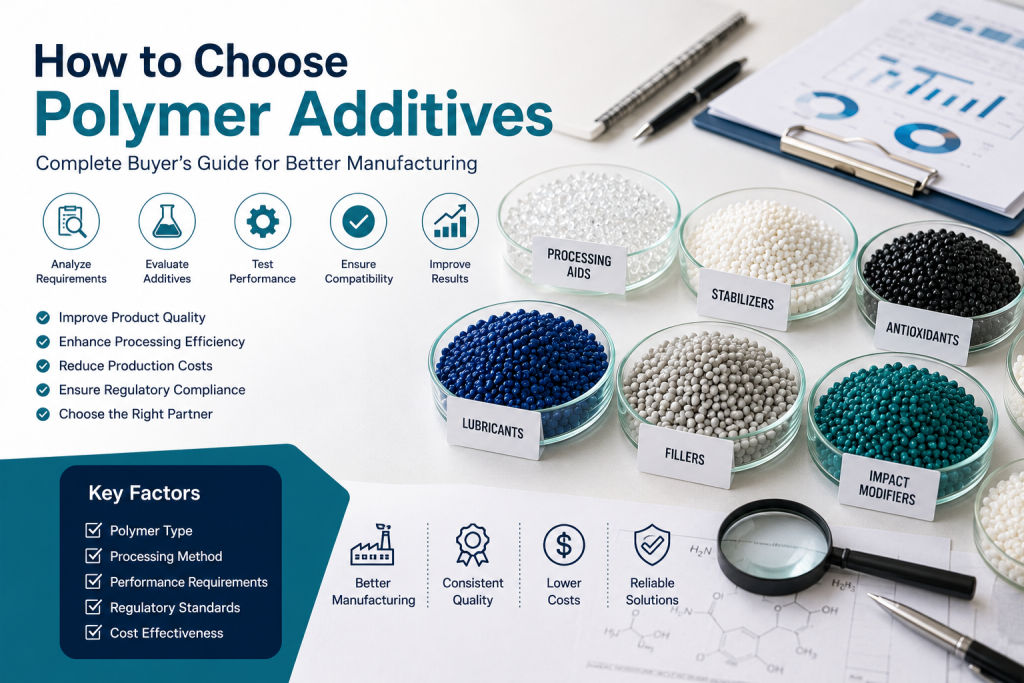
Polymer Additives: Complete Guide for Better Manufacturing Polymer additives are materials incorporated into polymers to improve processing, modify physical properties, protect against degradation, or optimize manufacturing costs. The right additive depends on the base resin, processing method, product requirements, operating conditions, and intended application. Manufacturers in the packaging, automotive, construction, electrical, and consumer goods industries […]
Industrial Polymer Additives Guide
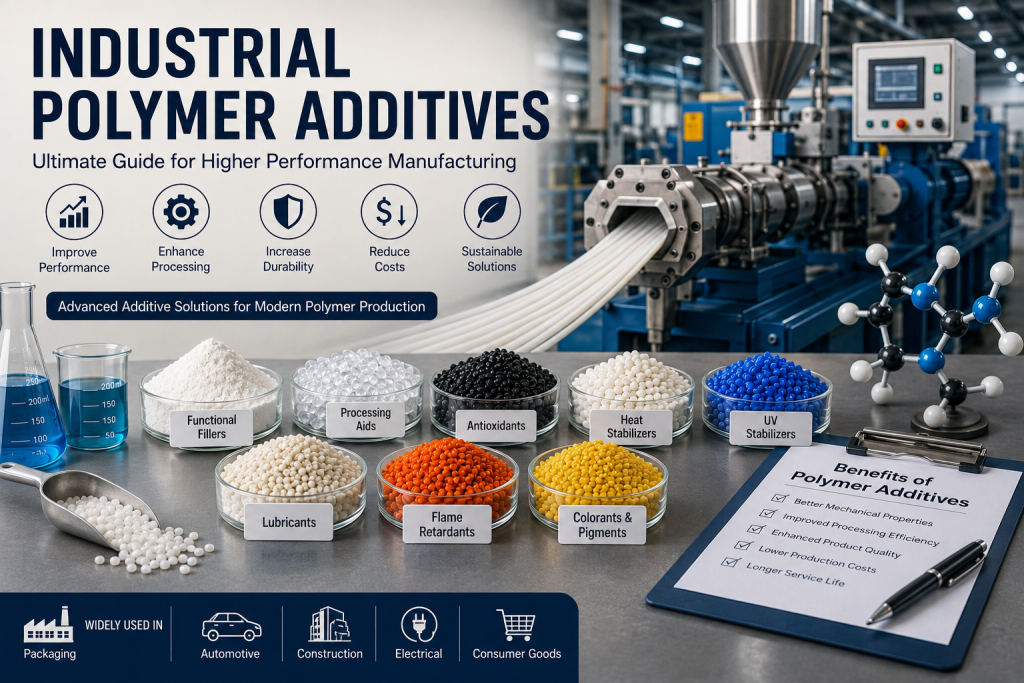
Industrial Polymer Additives: Types and Uses Industrial Polymer Additives are specialized materials added to polymers to improve processing efficiency, mechanical properties, thermal stability, durability, and overall product performance. They are widely used in plastic packaging, automotive components, construction materials, electrical products, and consumer goods. Choosing the right Industrial Polymer Additives helps manufacturers improve production consistency, […]
Industrial Plastic Additives Guide
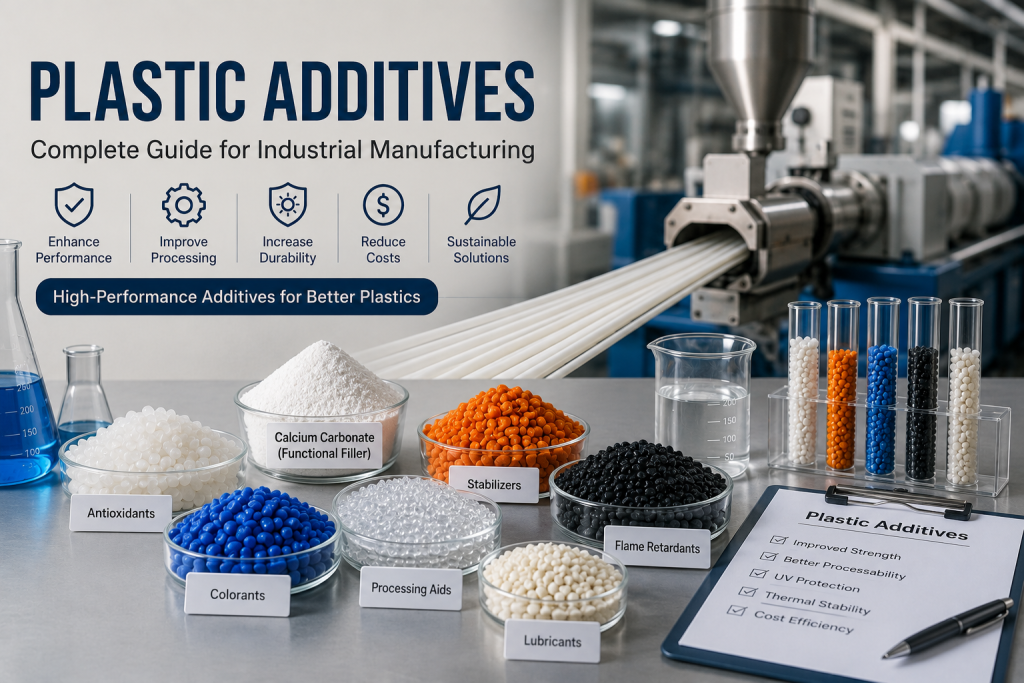
Industrial Plastic Additives: Types and Applications Industrial Plastic Additives are materials incorporated into polymers to improve processing, durability, mechanical properties, stability, and appearance. Manufacturers use these additives in packaging, automotive components, construction materials, electrical products, and consumer goods to achieve consistent quality and application-specific performance. Selecting the right Industrial Plastic Additives can help manufacturers optimize […]
Plastic Manufacturing Chemicals Guide
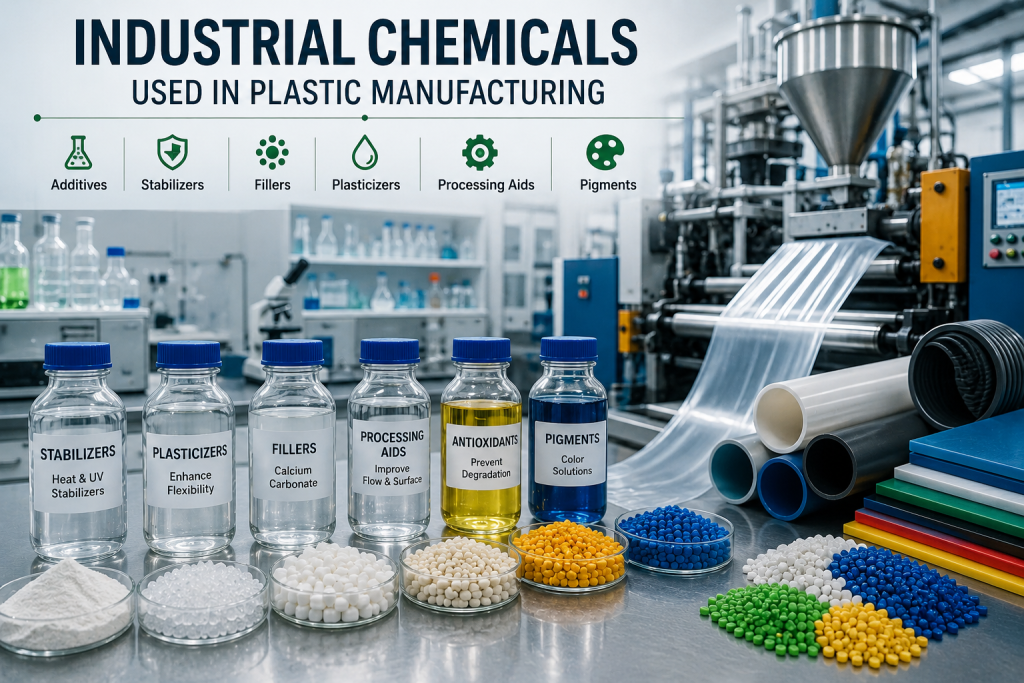
Plastic Manufacturing Chemicals: Complete Guide for Industrial Manufacturers Plastic Manufacturing Chemicals are additives, processing materials, and auxiliary substances used to improve polymer processing, control product properties, and maintain consistent manufacturing quality. Common categories include functional fillers, stabilizers, plasticizers, antioxidants, pigments, processing aids, flame retardants, and selected industrial solvents. The right combination depends on the polymer, […]
Plastic Processing Aids: Types, Benefits & Uses
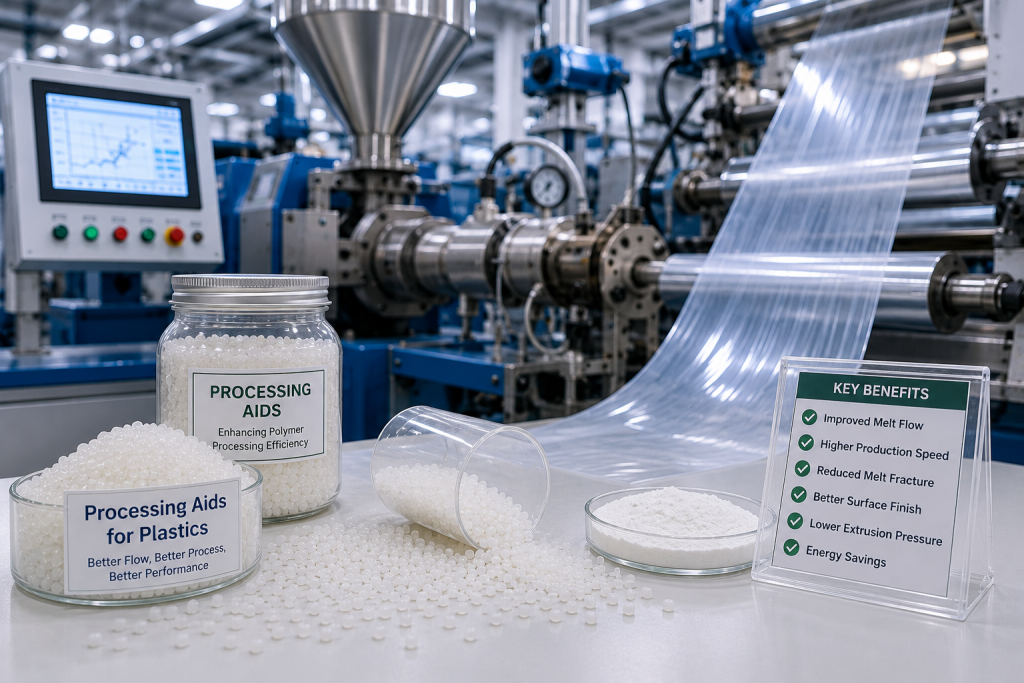
Processing Aids for Plastics: Types, Benefits and Uses Processing Aids for Plastics are specialized additives that help manufacturers improve polymer processing, control melt behavior, and reduce defects during extrusion and other plastic manufacturing operations. Depending on their chemistry, they can improve surface quality, support PVC fusion, reduce processing friction, or help stabilize production conditions. Manufacturers […]