


Antioxidants for Polymers: Types & Applications
Antioxidants for Polymers: Types, Benefits & Applications Antioxidants for polymers are additives that help protect plastic materials against oxidative degradation during processing and service. By controlling oxidation caused by heat, oxygen, and mechanical stress, polymer antioxidants help preserve melt stability, color, and mechanical properties. The right antioxidant system depends on the resin type, processing conditions, […]
UV Stabilizers for Plastics: Types & Uses
UV Stabilizers for Plastics: Types, Benefits & Applications UV Stabilizers for Plastics are specialty additives that protect polymer materials from degradation caused by prolonged ultraviolet radiation. They help reduce discoloration, surface cracking, brittleness, and loss of mechanical properties in plastic products exposed to sunlight. Manufacturers use UV stabilizers in agricultural films, automotive components, construction materials, […]
Slip Additives: Types, Benefits & Applications
Slip Additives for Plastic Films: Types, Benefits & Applications Slip Additives are functional additives used to reduce surface friction in plastic films and improve handling during manufacturing, converting, and packaging. By lowering the coefficient of friction (COF), slip additives help polyethylene (PE), polypropylene (PP), BOPP, and CPP films move more smoothly through winding, printing, lamination, […]
Solvent Selection: Choosing the Right Industrial Solvent
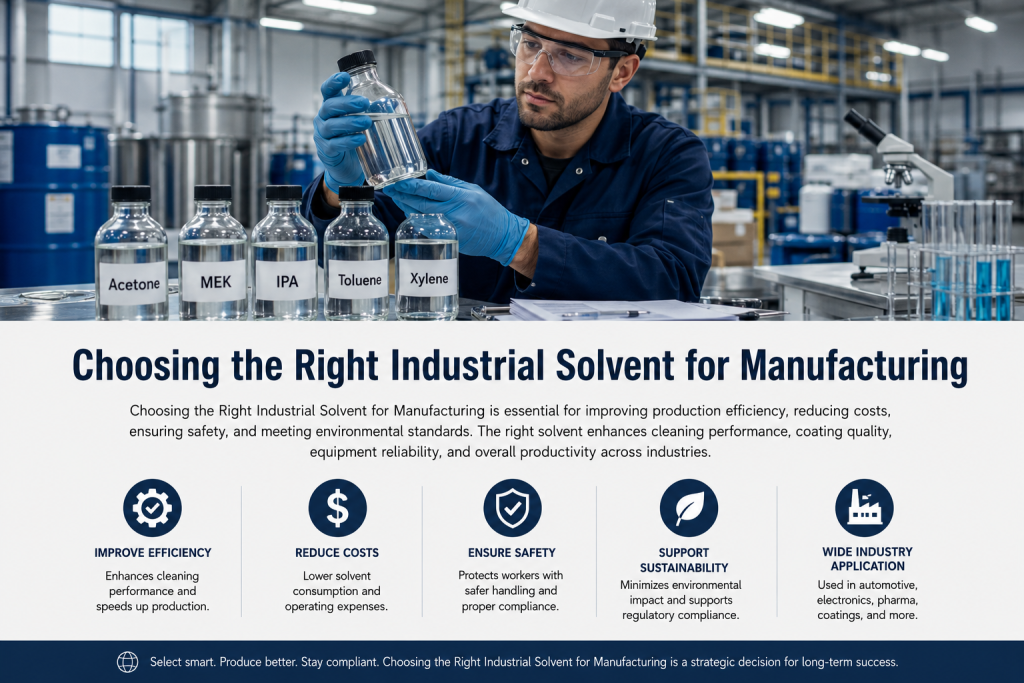
Choosing the Right Industrial Solvent Solvent selection helps manufacturers improve cleaning efficiency, coating performance, production consistency, and operating costs. Choosing the right industrial solvent depends on the target material, required solvency, evaporation rate, equipment compatibility, and workplace safety requirements. This guide explains how solvent selection works, which properties manufacturers should compare, and how to choose […]
Isopropyl Alcohol: Industrial Uses and Safety
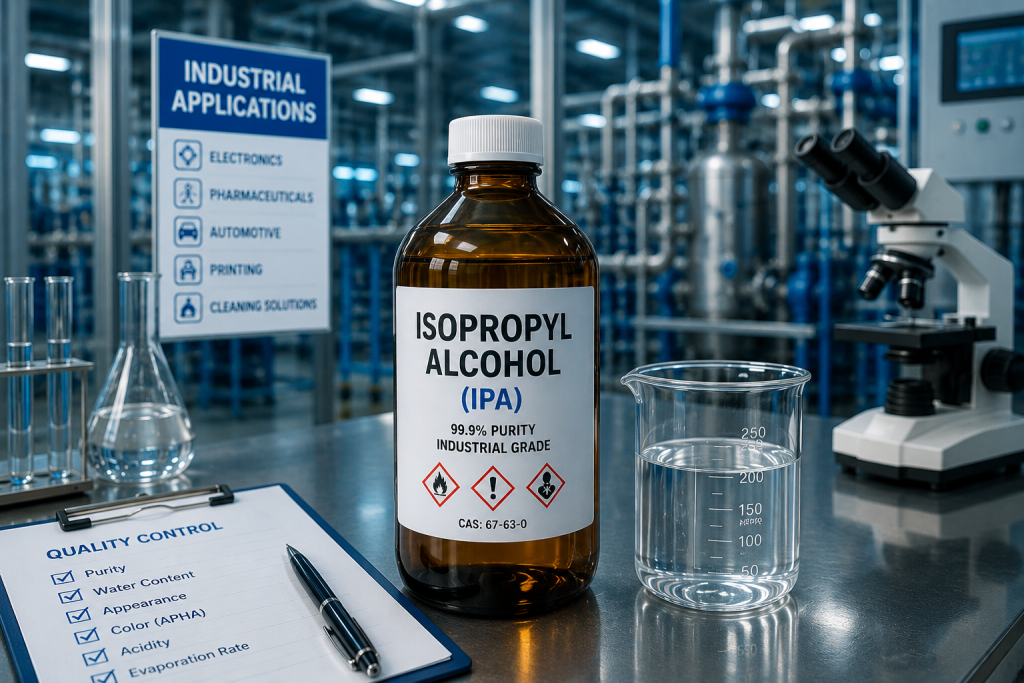
Isopropyl Alcohol: Industrial Uses and Technical Guide Isopropyl Alcohol (IPA), also known as isopropanol or 2-propanol, is a fast-evaporating solvent used in industrial cleaning, electronics manufacturing, pharmaceutical processing, surface preparation, and chemical production. Manufacturers select IPA based on purity, water content, contaminant profile, material compatibility, and the requirements of the cleaning or production process. This […]
Xylene Uses: Industrial Applications and Safety
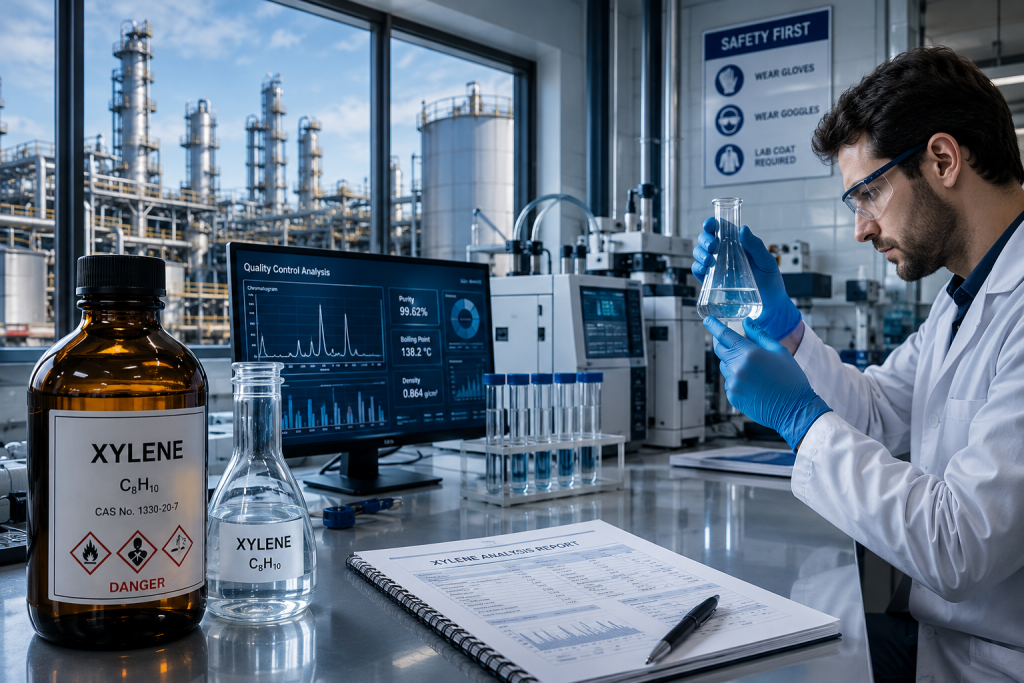
Xylene: Industrial Uses and Technical Guide Xylene is an aromatic hydrocarbon solvent used in coatings, printing inks, adhesives, industrial cleaning, and petrochemical manufacturing. Its solvency, evaporation behavior, and compatibility with different formulations make it useful in processes where a balance between performance and drying time is required. Quick Technical Specifications The following values describe commercial […]
Chemical Raw Materials in Manufacturing
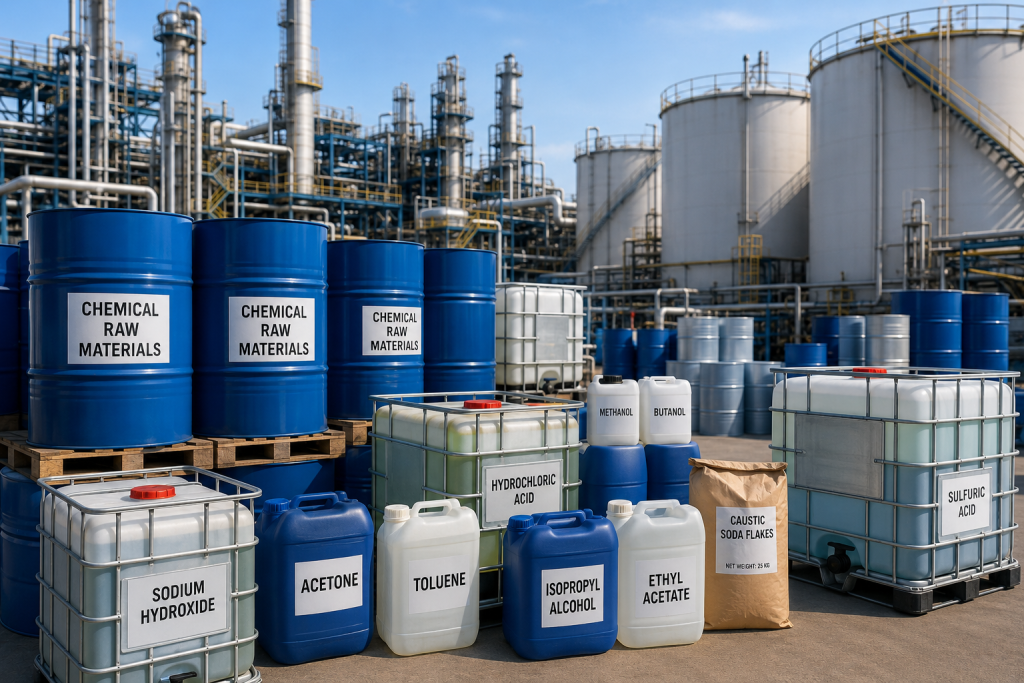
Chemical Raw Materials in Manufacturing: Complete Guide Chemical Raw Materials are essential inputs in modern manufacturing, supporting the production of pharmaceuticals, plastics, paints, coatings, adhesives, detergents, and petrochemical products. Selecting the right materials helps manufacturers maintain consistent product quality, improve process efficiency, and control operating costs. From basic industrial solvents to advanced polymers and specialty […]
Acetone: Industrial Uses and Properties
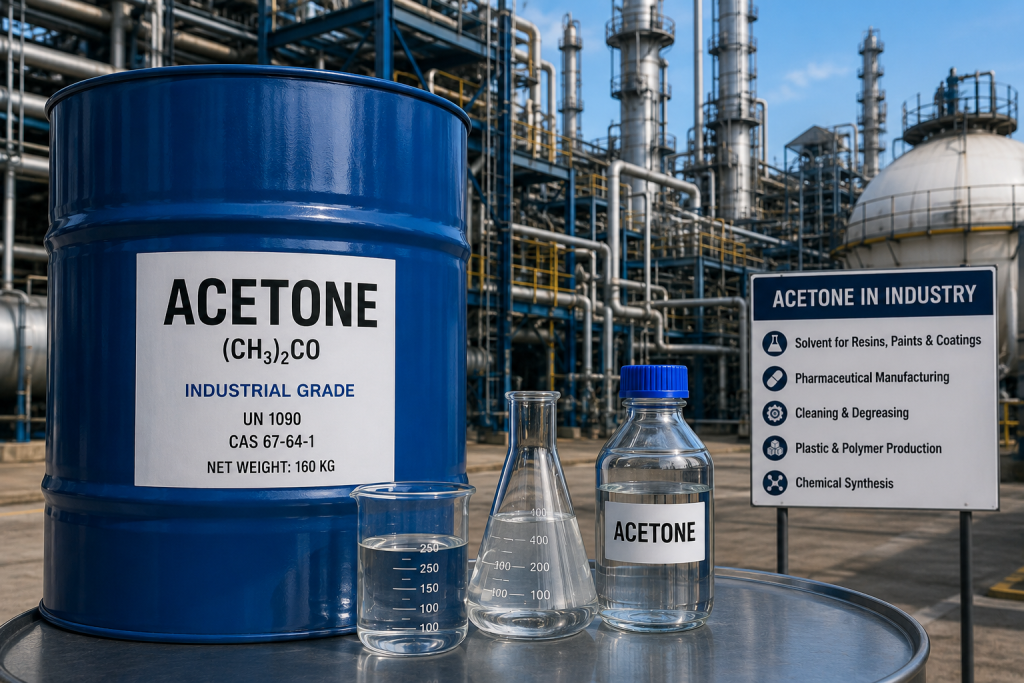
Acetone: Industrial Uses, Properties, and Applications Acetone is a fast-evaporating organic solvent used in chemical manufacturing, coatings, adhesives, industrial cleaning, and selected pharmaceutical processes. Its ability to dissolve many organic substances makes it valuable in applications that require effective cleaning, formulation, extraction, or solvent processing. For industrial buyers, selecting the right grade involves more than […]
Industrial Solvents: Types and Applications
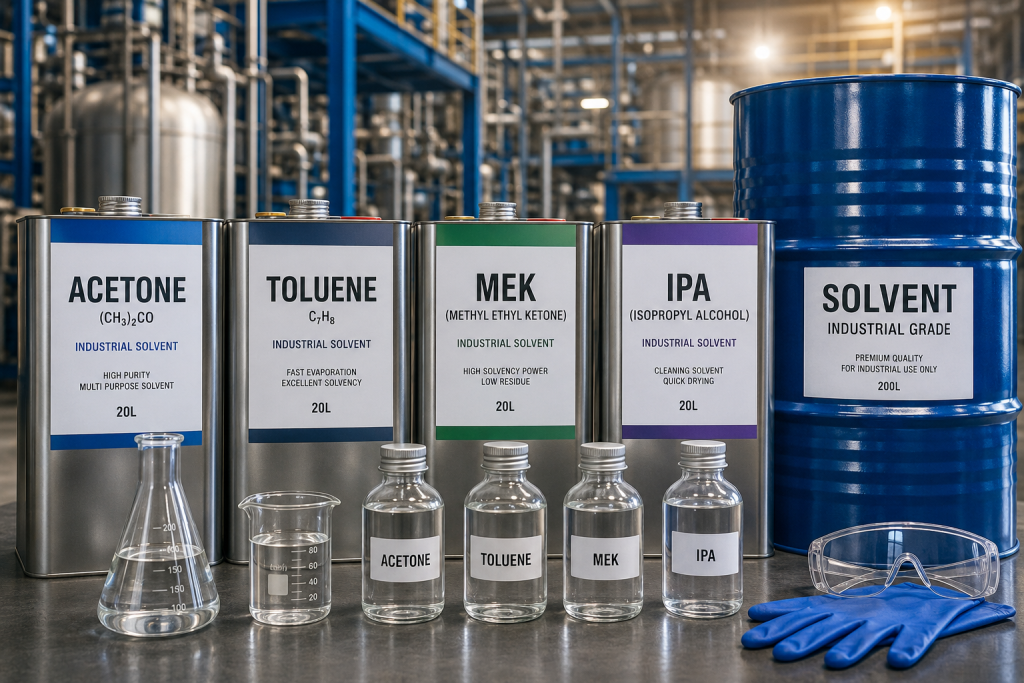
Industrial Solvents: Types, Applications, and Industrial Uses Industrial Solvents are essential chemicals used in manufacturing to dissolve materials, adjust formulation viscosity, remove contaminants, extract compounds, and support chemical processing. These solvents serve industries such as paints and coatings, pharmaceuticals, petrochemicals, automotive manufacturing, printing, adhesives, and industrial cleaning. Selecting suitable industrial solvents requires evaluating solvency, evaporation […]
VOC Emissions Control: Methods and Solutions

VOC Emissions Control: Industrial Methods and Solutions VOC Emissions Control refers to the engineering methods used to prevent, capture, recover, or destroy volatile organic compounds released during industrial manufacturing. These emissions can originate from solvent handling, paints and coatings, printing, chemical processing, storage tanks, and industrial cleaning. Effective control combines source reduction, suitable process design, […]