


Polypropylene vs Polyethylene: Key Differences
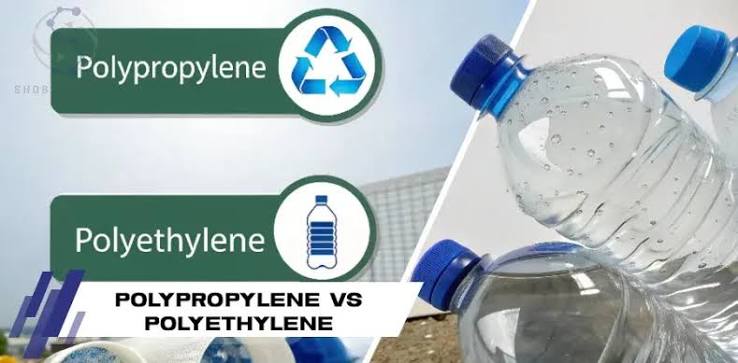
Polypropylene vs Polyethylene: Key Differences, Uses and Benefits Understanding polypropylene vs polyethylene helps manufacturers choose the right thermoplastic for packaging, injection molding, containers, and industrial components. Both materials are lightweight, chemically resistant plastics, but they differ in stiffness, flexibility, heat resistance, and performance in specific applications. What Is the Difference Between Polypropylene and Polyethylene? The […]
Polypropylene vs ABS: Key Differences
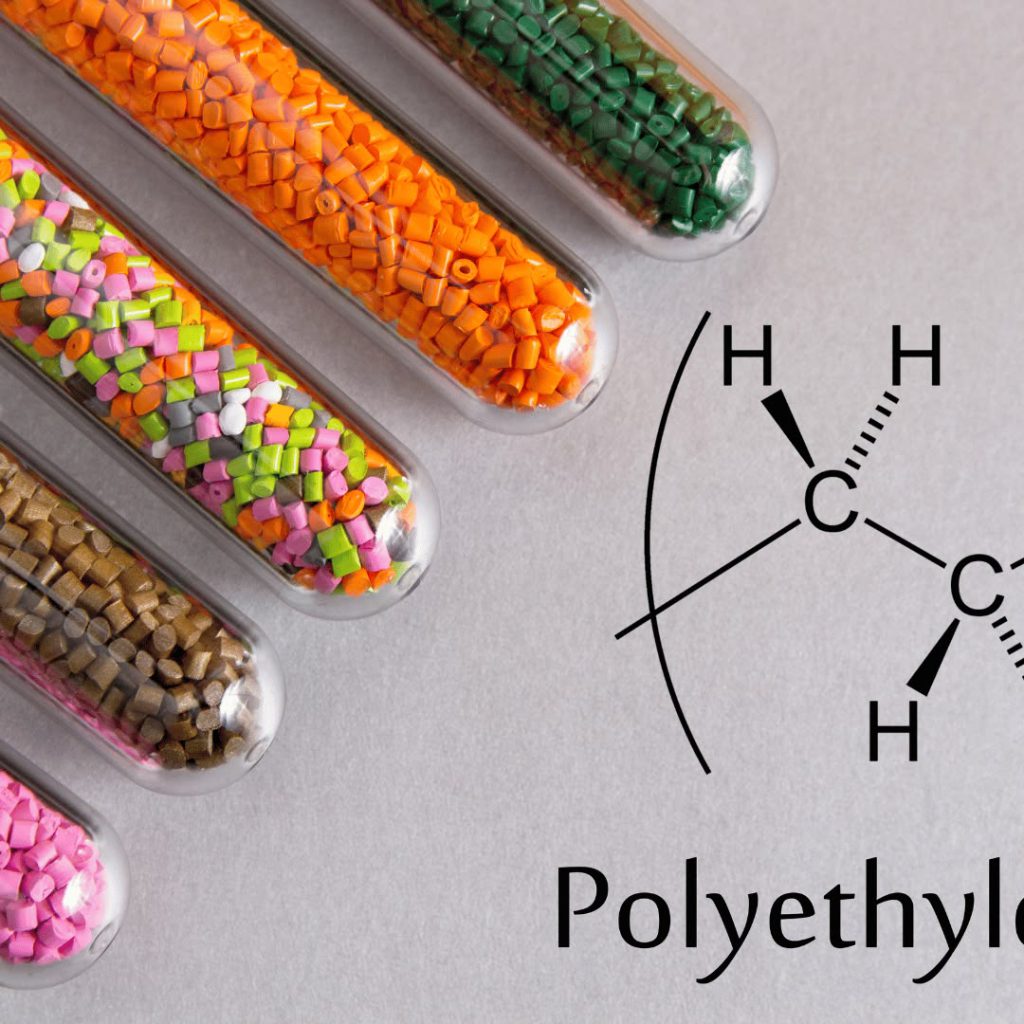
Polypropylene vs ABS: Which Plastic Is Better? Polypropylene vs ABS is an important comparison for manufacturers choosing thermoplastics for injection molding, automotive components, consumer products, and industrial applications. Polypropylene (PP) is generally valued for its low density, moisture resistance, and resistance to many chemicals, while ABS is often selected for rigid components requiring good impact […]
Improve Polypropylene Performance
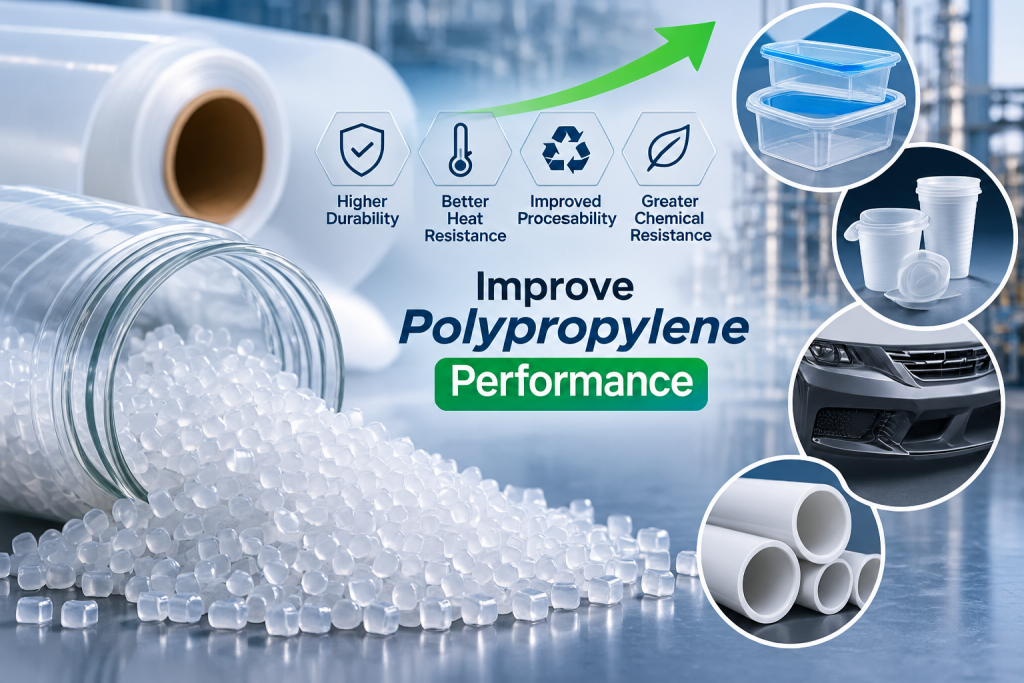
Improve Polypropylene Performance Polypropylene performance depends on the polymer grade, formulation, processing conditions, and intended application. Manufacturers can improve polypropylene properties by selecting suitable impact modifiers, mineral fillers, antioxidants, and UV stabilizers. The right formulation helps balance toughness, stiffness, thermal stability, durability, and processing efficiency while meeting the requirements of industrial plastic products. What Determines […]
Calcium Carbonate Dispersion: 10 Methods
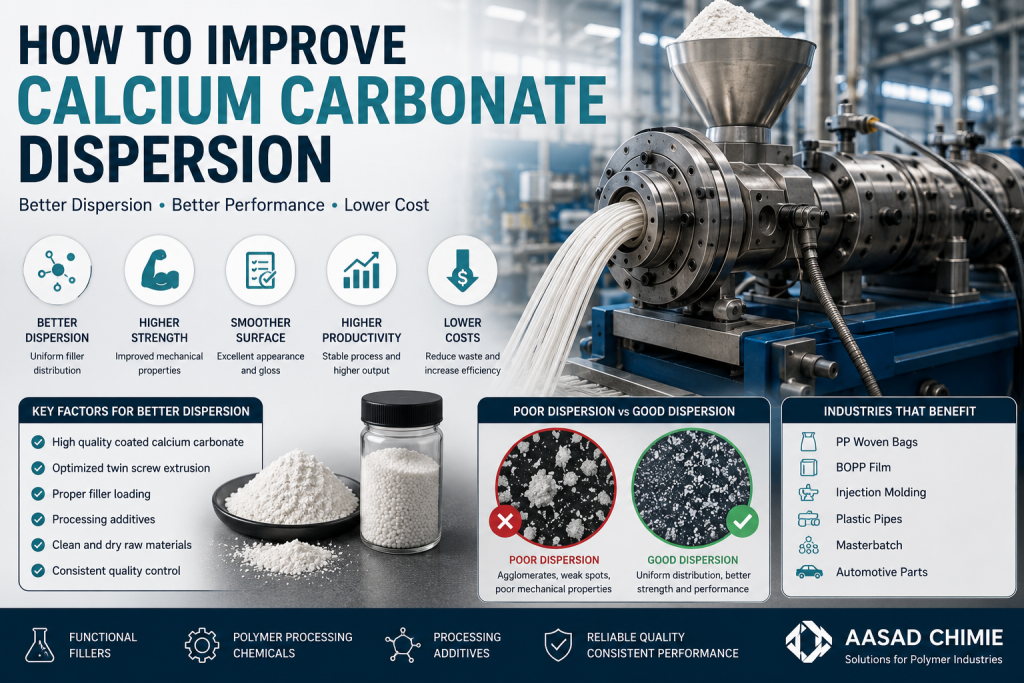
Calcium Carbonate Dispersion: 10 Methods for Better Polymers Calcium carbonate dispersion is a key factor in the quality and processing performance of polypropylene compounds, masterbatch, films, and molded plastic products. Poor dispersion can cause visible white spots, surface defects, inconsistent mechanical properties, and unstable extrusion. Manufacturers can improve filler distribution by selecting suitable calcium carbonate, […]
Improve PP Melt Flow: 8 Practical Methods
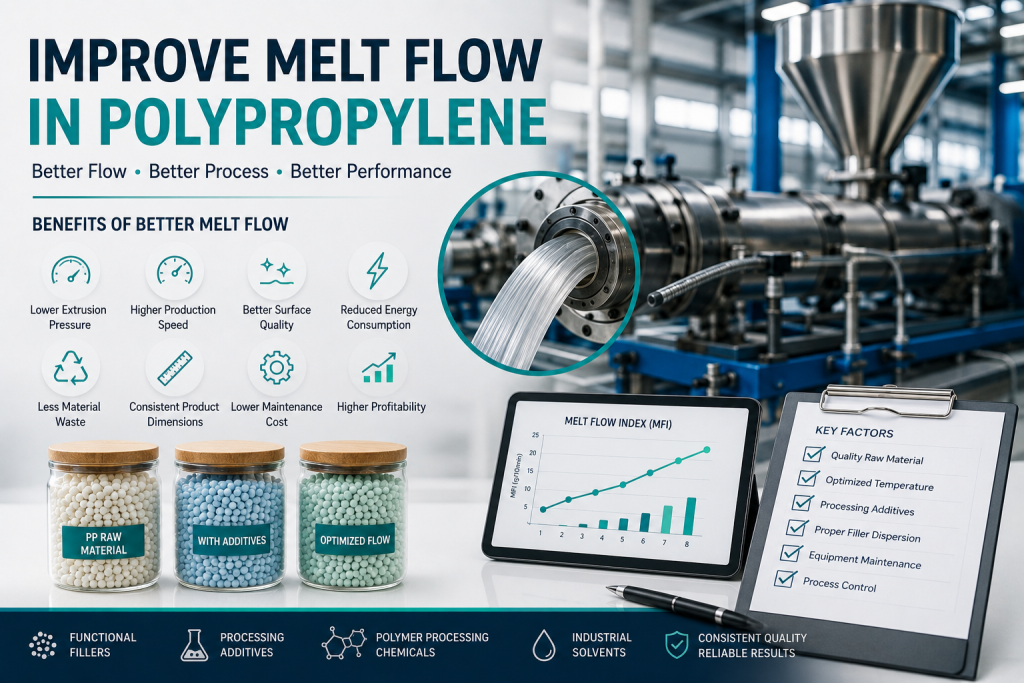
Improve PP Melt Flow: 8 Practical Methods PP Melt Flow is an important factor in polypropylene manufacturing because it affects processing stability, production speed, surface quality, and material waste. Manufacturers can optimize melt flow by selecting the correct resin grade, controlling processing temperatures, improving filler dispersion, using compatible additives, and maintaining extrusion equipment. These methods […]
Plastic Raw Materials: How to Choose the Right Type
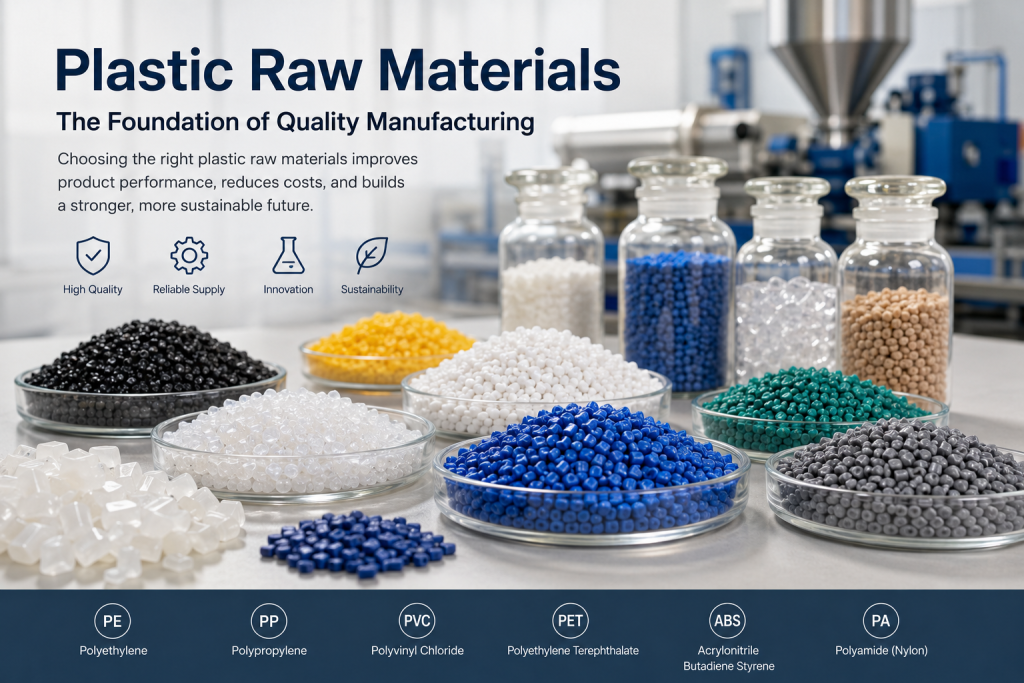
How to Choose the Right Plastic Raw Materials for Manufacturing Plastic Raw Materials are the polymer resins used to manufacture products through injection molding, extrusion, blow molding, thermoforming, and other processing methods. Choosing the right material requires evaluating mechanical properties, heat and chemical resistance, processing behavior, regulatory requirements, and total production cost. This guide explains […]