


Plastic Injection Molding: Process and Defects
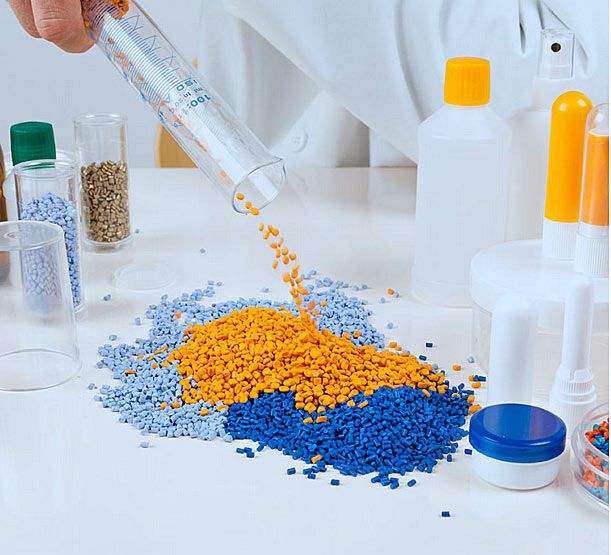
Plastic Injection Molding: Process, Materials and Defects Plastic Injection Molding is a manufacturing process used to produce precise plastic components in medium and high production volumes. It works by melting a thermoplastic resin, injecting the melt into a mold, and cooling it until the part can be removed. Material selection, mold design, and process control […]
Impact Modifiers for Injection Molding

Impact Modifiers for Injection Molding: Benefits and Applications Impact modifiers for injection molding are polymer additives used to improve the toughness and impact resistance of plastic components. The appropriate modifier depends on the base resin, molding conditions, required mechanical properties, and the environment in which the finished part will operate. Selecting a compatible formulation can […]
Reduce Plastic Manufacturing Costs: 7 Ways
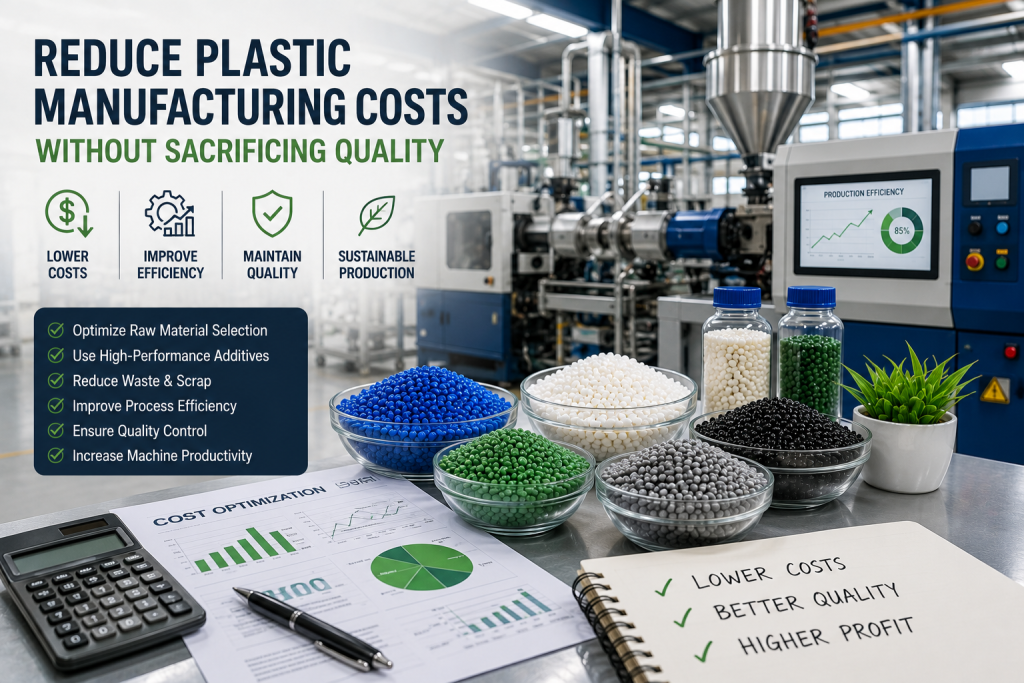
How to Reduce Plastic Manufacturing Costs Without Sacrificing Quality Reducing Plastic Manufacturing Costs requires more than buying cheaper resin or cutting essential production expenses. Manufacturers can lower total costs by selecting suitable raw materials, optimizing processing conditions, reducing scrap, improving energy efficiency, and maintaining consistent product quality. For manufacturers of packaging films, automotive components, HDPE […]
Plastic Raw Materials: How to Choose the Right Type
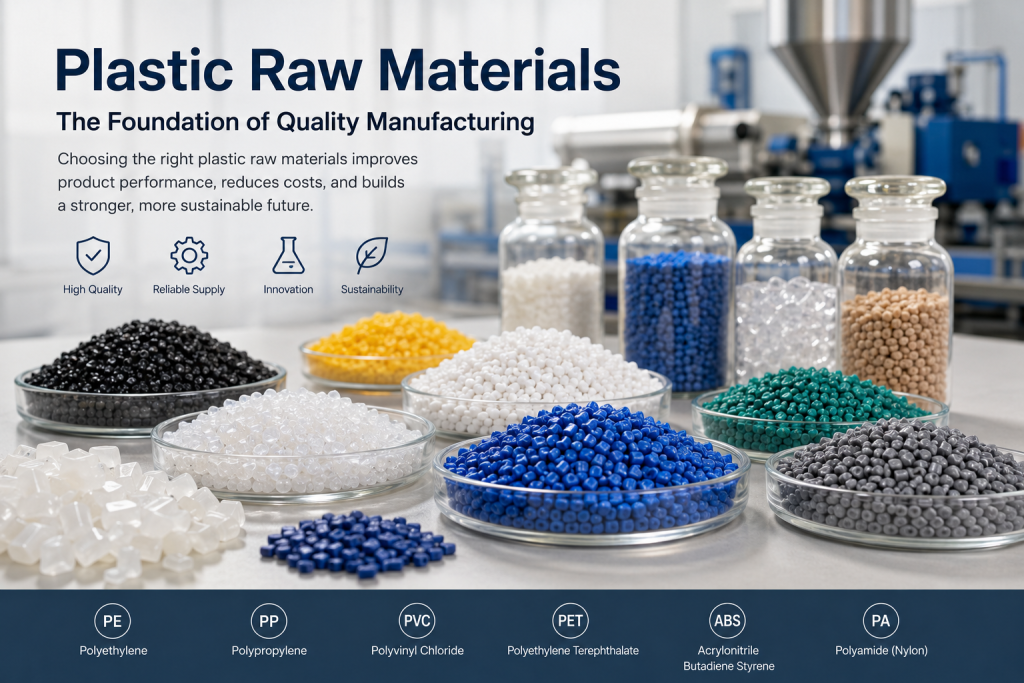
How to Choose the Right Plastic Raw Materials for Manufacturing Plastic Raw Materials are the polymer resins used to manufacture products through injection molding, extrusion, blow molding, thermoforming, and other processing methods. Choosing the right material requires evaluating mechanical properties, heat and chemical resistance, processing behavior, regulatory requirements, and total production cost. This guide explains […]
Antioxidants for Polymers: Types & Applications
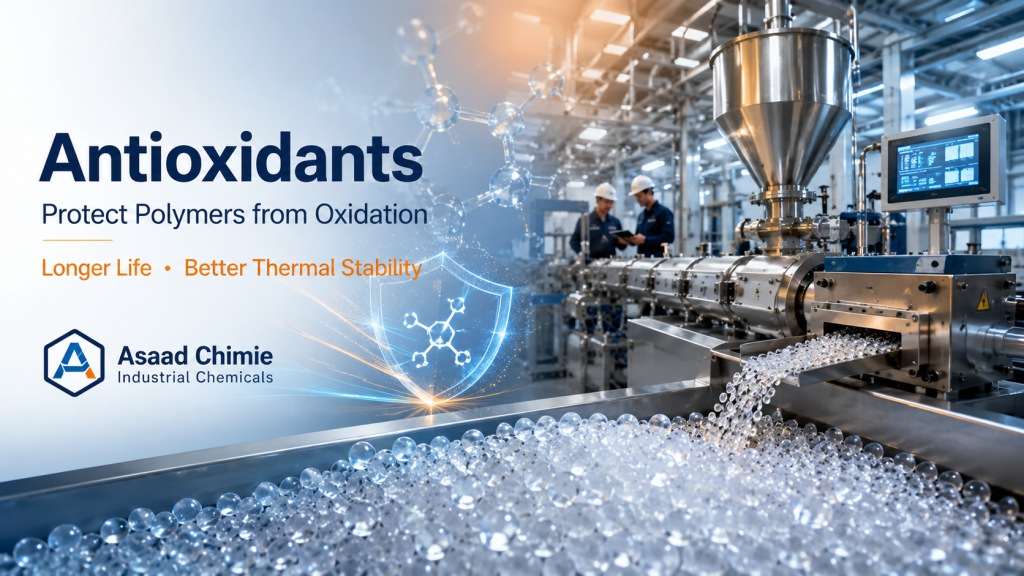
Antioxidants for Polymers: Types, Benefits & Applications Antioxidants for polymers are additives that help protect plastic materials against oxidative degradation during processing and service. By controlling oxidation caused by heat, oxygen, and mechanical stress, polymer antioxidants help preserve melt stability, color, and mechanical properties. The right antioxidant system depends on the resin type, processing conditions, […]
Rheology Modifiers in High-Recycled Content Compounds
Rheology Modifiers are essential additives for enhancing the flow and processability of high-recycled content polymer compounds. As the demand for sustainable plastics grows, manufacturers increasingly rely on post-consumer recycled (PCR) polymers. These materials often present challenges in melt viscosity, extrusion, and molding due to variable feedstock quality and degraded polymer chains. Rheology modifiers help stabilize […]