


Functional Fillers in Polymers: Types & Uses
Functional Fillers in Polymer Manufacturing: Types and Applications Polymer manufacturers use fillers to adjust the mechanical, thermal, dimensional, and economic performance of plastic compounds. The right polymer fillers can improve stiffness, reduce shrinkage, and help manufacturers develop materials suited to specific production requirements. The choice of filler depends on the polymer matrix, processing method, required […]
PP Impact Modifiers vs Mineral Fillers
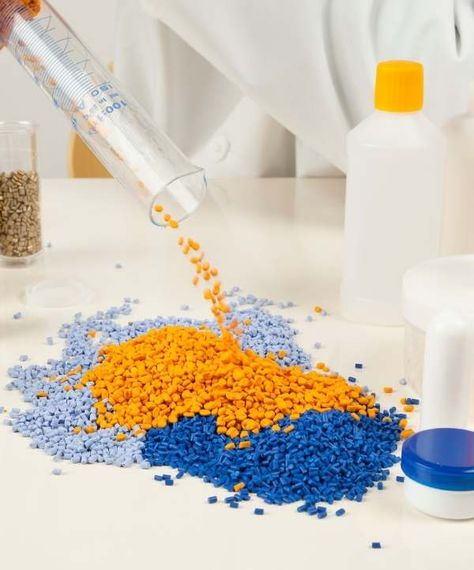
PP Impact Modifiers vs Mineral Fillers: Differences and Applications Choosing the right materials for polypropylene compounds requires balancing impact resistance, stiffness, dimensional stability, and production cost. PP Impact Modifiers and mineral fillers serve different purposes: impact modifiers primarily improve toughness, while mineral fillers are often selected to adjust rigidity, shrinkage, and material cost. Understanding how […]
Calcium Carbonate Dispersion: 10 Methods
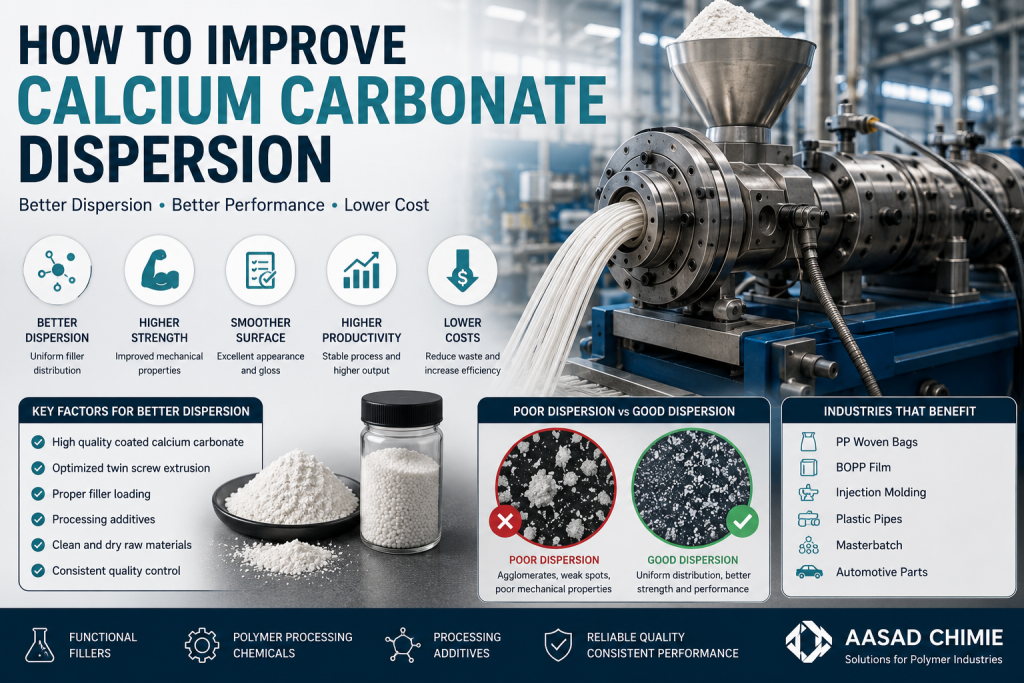
Calcium Carbonate Dispersion: 10 Methods for Better Polymers Calcium carbonate dispersion is a key factor in the quality and processing performance of polypropylene compounds, masterbatch, films, and molded plastic products. Poor dispersion can cause visible white spots, surface defects, inconsistent mechanical properties, and unstable extrusion. Manufacturers can improve filler distribution by selecting suitable calcium carbonate, […]
Polypropylene Costs: 12 Ways to Save
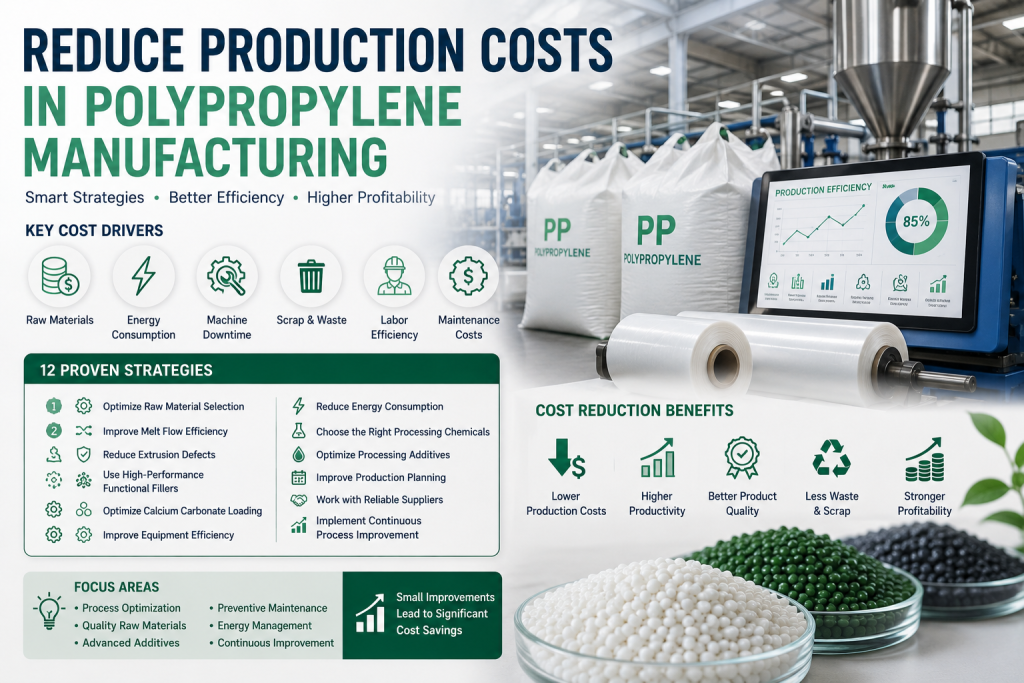
Polypropylene Costs: 12 Proven Ways to Save Polypropylene Costs are a major concern for plastic manufacturers seeking to improve profitability without compromising product quality. By optimizing raw material selection, improving processing efficiency, reducing waste, and controlling energy consumption, manufacturers can lower production expenses and increase operational efficiency. What Factors Affect Polypropylene Costs? Polypropylene Costs depend […]