


Mineral Fillers in Plastics: Types & Benefits
Mineral Fillers in Plastics: Types, Benefits and Applications Mineral Fillers in Plastics are inorganic materials incorporated into polymer formulations to modify stiffness, dimensional stability, processing behavior, and material cost. Common examples include calcium carbonate, talc, silica, and kaolin. Each filler has different characteristics, so the right choice depends on the polymer, manufacturing process, and required […]
Talc Fillers in Polypropylene: Benefits & Uses

Talc Fillers in Polypropylene: Benefits and Applications Polypropylene (PP) is widely used in automotive components, household products, and industrial parts because it is lightweight, chemically resistant, and easy to process. However, applications that require greater stiffness, improved dimensional stability, or better heat resistance may benefit from mineral reinforcement. Talc Fillers are commonly incorporated into polypropylene […]
Functional Fillers in Polymers: Types & Uses
Functional Fillers in Polymer Manufacturing: Types and Applications Polymer manufacturers use fillers to adjust the mechanical, thermal, dimensional, and economic performance of plastic compounds. The right polymer fillers can improve stiffness, reduce shrinkage, and help manufacturers develop materials suited to specific production requirements. The choice of filler depends on the polymer matrix, processing method, required […]
PP Impact Modifiers vs Mineral Fillers
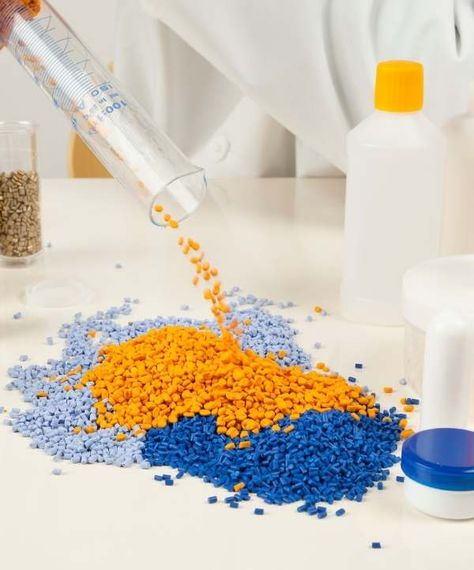
PP Impact Modifiers vs Mineral Fillers: Differences and Applications Choosing the right materials for polypropylene compounds requires balancing impact resistance, stiffness, dimensional stability, and production cost. PP Impact Modifiers and mineral fillers serve different purposes: impact modifiers primarily improve toughness, while mineral fillers are often selected to adjust rigidity, shrinkage, and material cost. Understanding how […]