


Polypropylene Compound Manufacturing Process
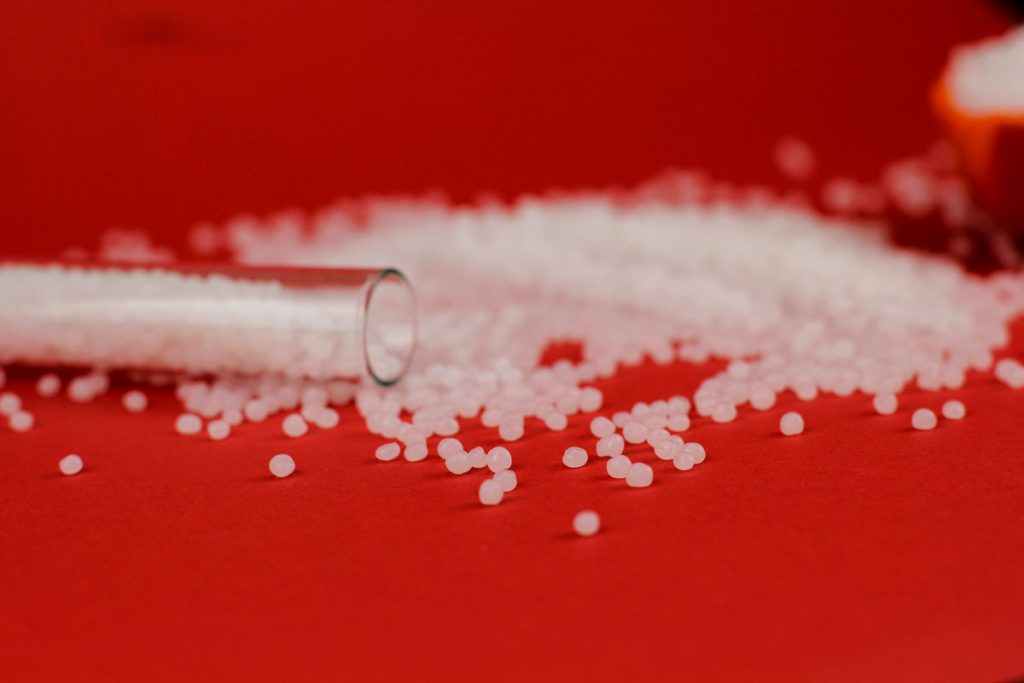
Polypropylene Compound Manufacturing Process The polypropylene compound manufacturing process transforms base polypropylene resin into a customized material by combining it with additives, mineral fillers, and impact modifiers. This process typically includes formulation design, raw material preparation, melt mixing, extrusion, pelletizing, and quality testing to achieve the properties required for industrial applications. Understanding the polypropylene compound […]
Polypropylene Additives in Injection Molding
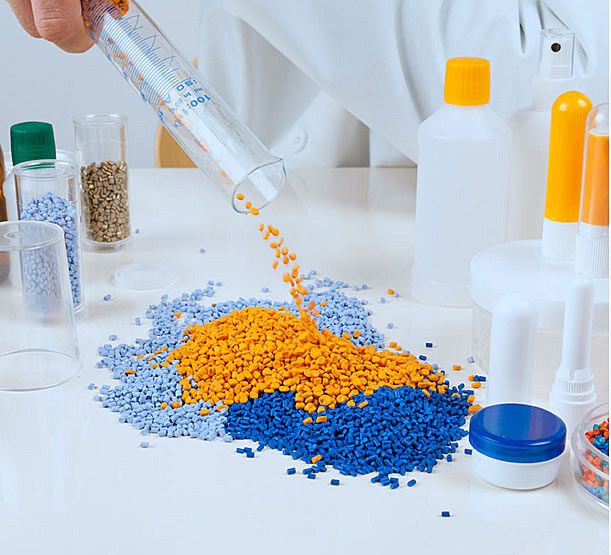
Polypropylene Additives for Injection Molding Polypropylene is widely used in injection molding because of its low density, chemical resistance, stiffness, and processability. However, some applications require additional properties that depend on the resin grade and formulation. Suitable additives can help improve thermal stability, impact resistance, outdoor durability, dimensional stability, and processing consistency. Selecting the right […]
PP Impact Testing: Izod vs Charpy
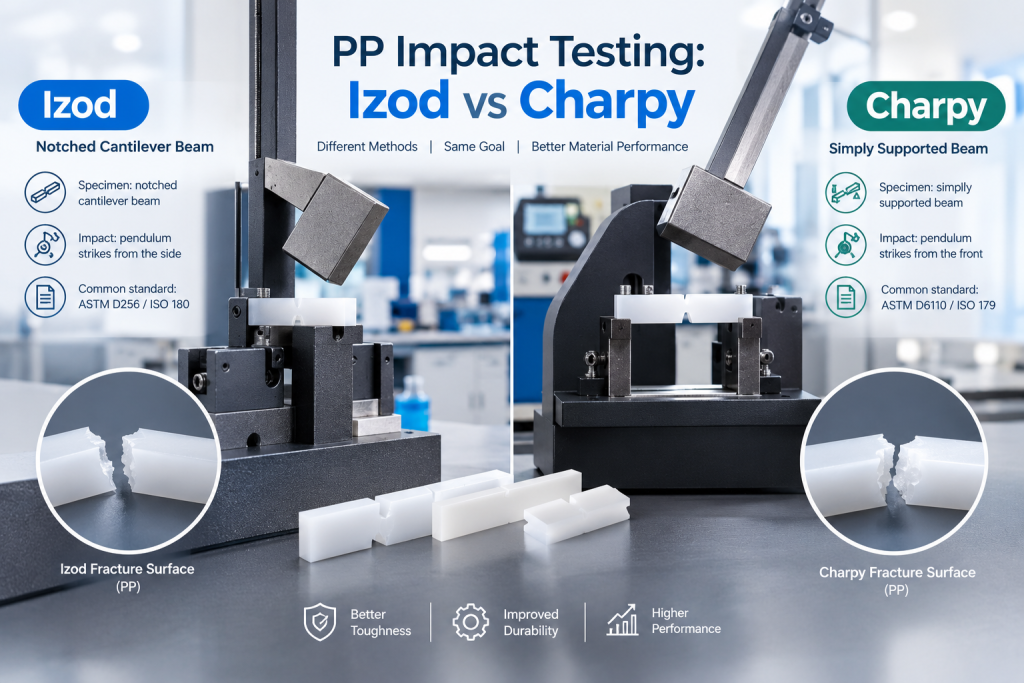
PP Impact Testing: Izod vs Charpy PP impact testing evaluates the resistance of polypropylene (PP) to sudden loading and helps manufacturers compare impact performance under standardized conditions. Izod and Charpy are two widely used methods for assessing the impact behaviour of plastics. Understanding the differences between these methods helps manufacturers select suitable polypropylene grades for […]
Homopolymer: Key Properties and Applications

PP Homopolymer vs Copolymer: Key Differences Homopolymer polypropylene is a thermoplastic used in plastic manufacturing because of its stiffness, low density, chemical resistance, and processability. Compared with copolymer grades, it is often suitable for rigid products, fibers, and industrial components. The best material depends on the mechanical properties and processing requirements of the final product. […]
Talc Fillers in Polypropylene: Benefits & Uses

Talc Fillers in Polypropylene: Benefits and Applications Polypropylene (PP) is widely used in automotive components, household products, and industrial parts because it is lightweight, chemically resistant, and easy to process. However, applications that require greater stiffness, improved dimensional stability, or better heat resistance may benefit from mineral reinforcement. Talc Fillers are commonly incorporated into polypropylene […]
Calcium Carbonate Fillers in Plastics: Benefits
Calcium Carbonate Fillers in Plastics: Properties and Applications Calcium Carbonate Fillers are widely used in plastic manufacturing to modify material properties and manage formulation costs. Depending on the grade, concentration, polymer type, and processing method, these mineral materials can help increase stiffness, influence shrinkage, and improve the cost efficiency of plastic compounds. From polypropylene (PP) […]
PP Impact Modifiers vs Mineral Fillers
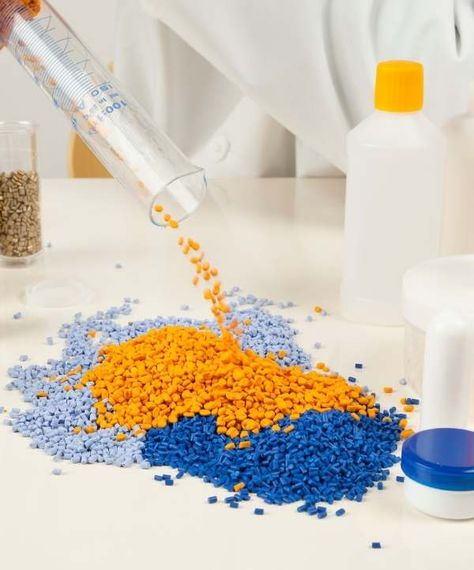
PP Impact Modifiers vs Mineral Fillers: Differences and Applications Choosing the right materials for polypropylene compounds requires balancing impact resistance, stiffness, dimensional stability, and production cost. PP Impact Modifiers and mineral fillers serve different purposes: impact modifiers primarily improve toughness, while mineral fillers are often selected to adjust rigidity, shrinkage, and material cost. Understanding how […]
Impact Modifier for Polypropylene Compounds
Impact Modifier for Polypropylene Compounds: Selection Guide Choosing the right impact modifier for polypropylene compounds helps manufacturers improve toughness, reduce brittle failure, and meet the mechanical requirements of demanding plastic applications. The best solution depends on the polypropylene grade, target impact strength, operating temperature, processing method, and acceptable changes in stiffness and melt flow. For […]