


MEK Solvent: Uses in Coatings, Inks and Adhesives
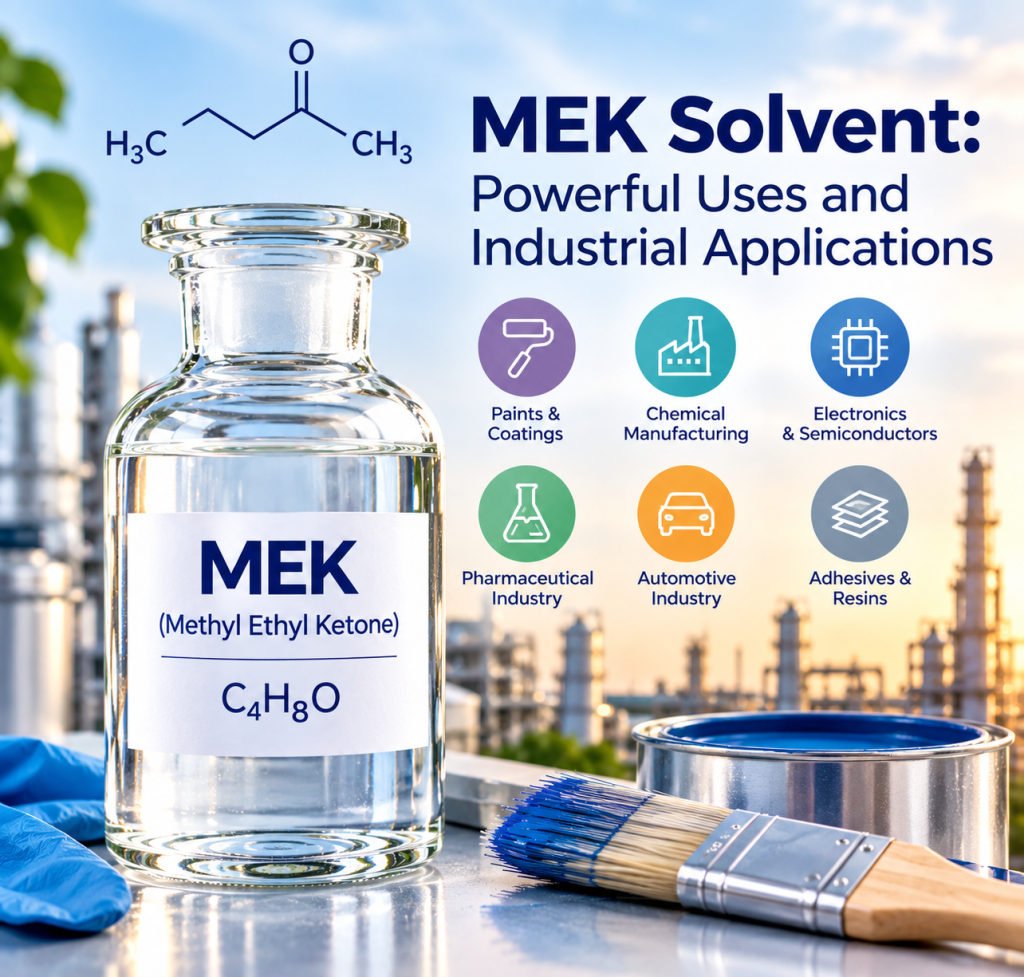
MEK Solvent: Uses in Coatings, Inks and Adhesives MEK solvent, also known as methyl ethyl ketone or 2-butanone, is a fast-evaporating industrial solvent used in coatings, printing inks, adhesives, and selected manufacturing processes. Its ability to dissolve many resins and organic compounds makes it valuable in formulations that require effective solvency and controlled drying. With […]
Methylal Uses: Solvent Roles and Key Properties
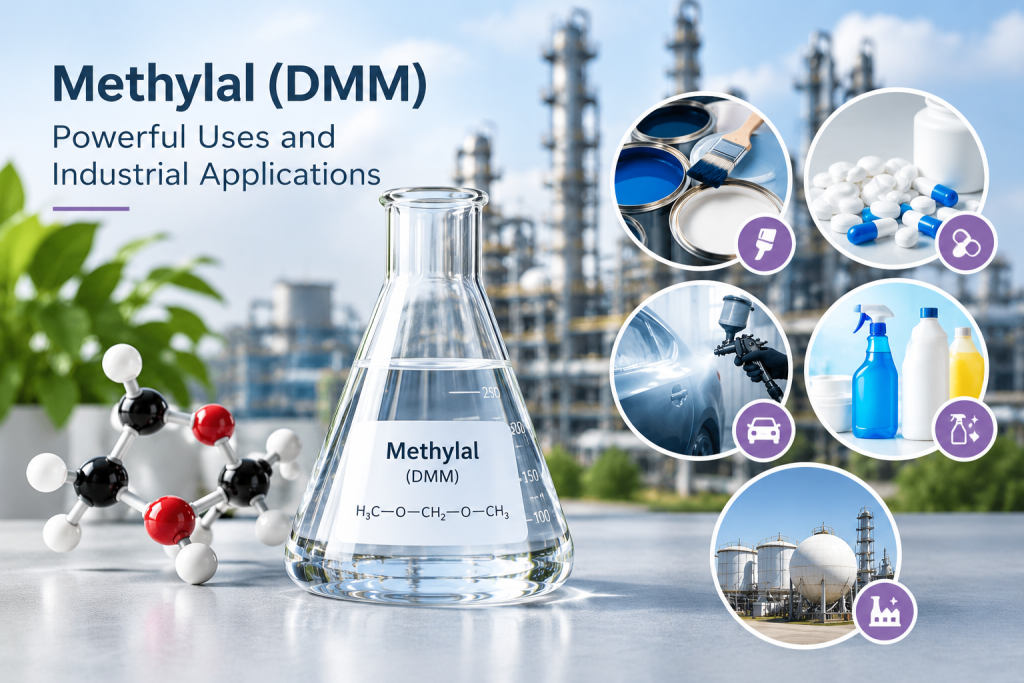
Methylal Uses: Solvent Applications and Properties Methylal uses include selected solvent formulations, adhesive and coating production, and specialty chemical manufacturing. Also known as dimethoxymethane or dimethyl formal (DMM), methylal is a highly volatile organic liquid valued for its low boiling point and ability to dissolve certain organic compounds. Manufacturers use methylal where its evaporation behavior […]
Methylal Solvent: Uses and Properties
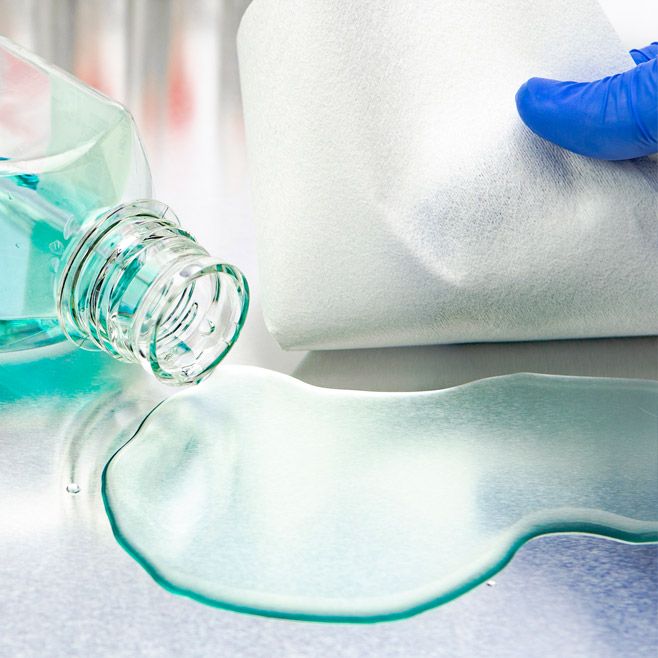
Methylal Solvent: Powerful Uses and Industrial Applications Methylal Solvent, also known as dimethoxymethane, is a highly volatile, flammable organic solvent used in selected chemical processing and specialty formulations. Its low boiling point and solvent properties make it worth evaluating for applications where rapid evaporation and compatibility with other formulation ingredients are important. For manufacturers, selecting […]
Polypropylene Compound Manufacturing Process
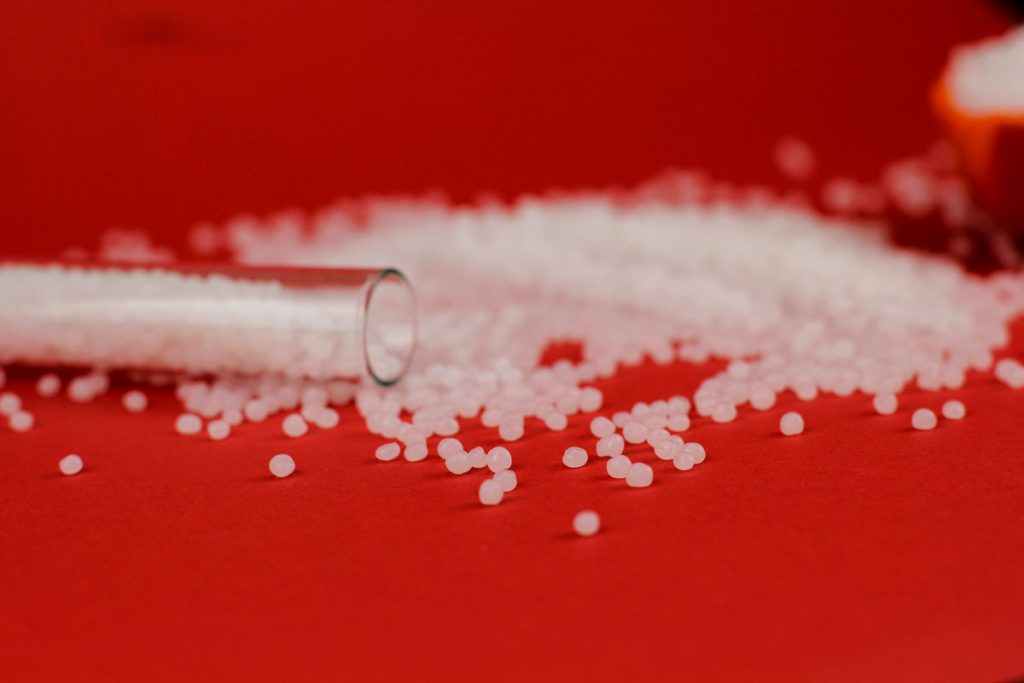
Polypropylene Compound Manufacturing Process The polypropylene compound manufacturing process transforms base polypropylene resin into a customized material by combining it with additives, mineral fillers, and impact modifiers. This process typically includes formulation design, raw material preparation, melt mixing, extrusion, pelletizing, and quality testing to achieve the properties required for industrial applications. Understanding the polypropylene compound […]
Polypropylene Processing Problems: 7 Common Causes
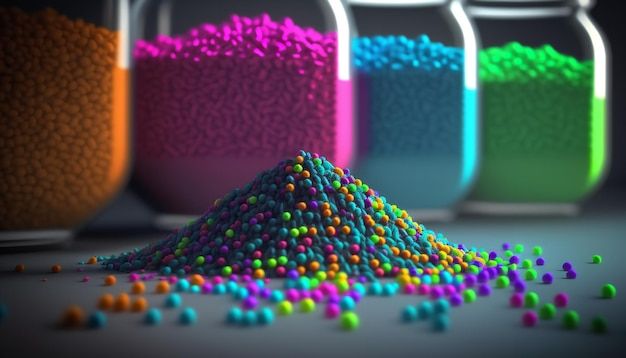
Polypropylene Processing Problems: 7 Common Causes and Solutions Polypropylene processing problems can reduce production efficiency, damage product appearance, affect mechanical properties, and increase manufacturing costs. Common defects include poor melt flow, surface imperfections, polymer degradation, inconsistent impact strength, warpage, contamination, and uneven filler dispersion. Understanding these polypropylene processing problems helps manufacturers identify root causes instead […]
Polypropylene Additives in Injection Molding
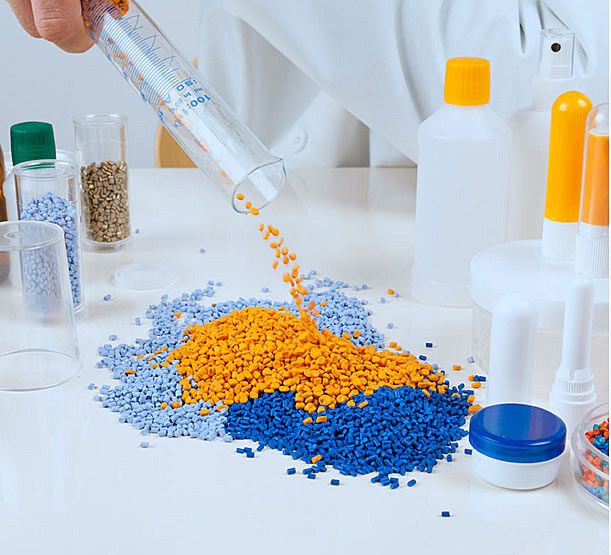
Polypropylene Additives for Injection Molding Polypropylene is widely used in injection molding because of its low density, chemical resistance, stiffness, and processability. However, some applications require additional properties that depend on the resin grade and formulation. Suitable additives can help improve thermal stability, impact resistance, outdoor durability, dimensional stability, and processing consistency. Selecting the right […]
PP Impact Modifiers vs Mineral Fillers
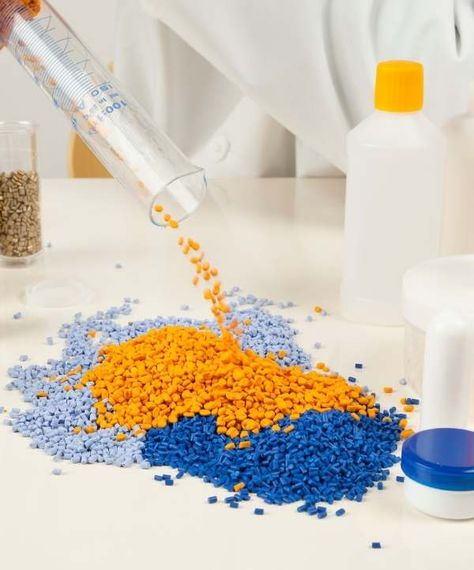
PP Impact Modifiers vs Mineral Fillers: Differences and Applications Choosing the right materials for polypropylene compounds requires balancing impact resistance, stiffness, dimensional stability, and production cost. PP Impact Modifiers and mineral fillers serve different purposes: impact modifiers primarily improve toughness, while mineral fillers are often selected to adjust rigidity, shrinkage, and material cost. Understanding how […]