


Table of Contents
Industrial Ethyl Lactate Applications are expanding rapidly as industries adopt greener, safer solvents. Derived from renewable resources like corn and sugarcane, Ethyl Lactate is biodegradable and offers high performance while reducing environmental impact. Its properties make it essential in coatings, adhesives, pharmaceuticals, and sustainable chemical processes.
Table of Contents
- Introduction
- Chemical Properties
- Production Methods
- Industrial Uses
- Solvent Applications
- Environmental Advantages
- Safety and Handling
- Emerging Trends
- Future Prospects
- References

Introduction to Industrial Ethyl Lactate Applications
Ethyl Lactate is a versatile green solvent widely used in industrial applications. Its renewable origin and biodegradability set it apart from traditional VOCs. Industries are increasingly integrating this solvent in production processes to replace toxic compounds while maintaining efficiency and product quality. With its mild odor, low toxicity, and compatibility with multiple materials, Ethyl Lactate is suitable for both industrial and laboratory applications. Growing environmental regulations and corporate sustainability initiatives are driving the shift towards bio-based solvents like Ethyl Lactate.
Chemical Properties
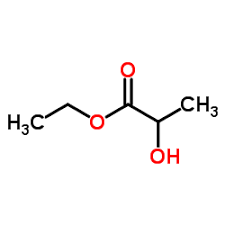
This compound features a moderate boiling point (~154 °C), high solubility in water and organic solvents, and very low toxicity. These characteristics make it ideal for dissolving resins, polymers, and cellulose in industrial processes. Its chemical stability ensures consistent performance across manufacturing cycles, while its low odor and miscibility with various formulation systems increase flexibility for manufacturers. Ethyl Lactate also demonstrates excellent compatibility with other green solvents, enabling hybrid solutions in coatings and adhesives.
Production Methods
Industrial production of Ethyl Lactate occurs through esterification of lactic acid with ethanol, using acid or enzymatic catalysts. Modern methods prioritize renewable feedstocks, energy efficiency, and waste minimization. Recovery of unreacted ethanol improves yield and reduces environmental impact. Emerging enzymatic production techniques allow milder reaction conditions, supporting sustainable manufacturing goals. These improvements ensure that Ethyl Lactate remains cost-effective while aligning with green chemistry principles.
Industrial Uses
Industrial Ethyl Lactate Applications include:
- Coatings and paints – enhancing drying time and film uniformity
- Adhesives and resins – improving solubility and performance
- Pharmaceutical formulations – ensuring purity and safety
- Flavor and fragrance extraction – due to mild odor and low toxicity
- Electronics cleaning – for precision and reliability in industrial processes
By adopting Ethyl Lactate, companies reduce VOC emissions and environmental impact without compromising on efficiency or product quality. The solvent also allows manufacturers to comply with international standards like REACH, minimizing regulatory risk.
Solvent Applications
Ethyl Lactate effectively dissolves polymers, resins, and cellulose derivatives. Its performance in coatings, inks, adhesives, and cleaning agents demonstrates versatility unmatched by many conventional solvents. Hybrid solvent systems, blending Ethyl Lactate with other bio-based or water-compatible compounds, optimize solubility, evaporation rates, and adhesion properties. Industries report higher consistency and fewer defects when using Ethyl Lactate in multi-component formulations. Moreover, its mild odor and low toxicity make it suitable for sensitive applications where worker safety and product integrity are critical.
Environmental Advantages
The green chemistry profile of Ethyl Lactate provides numerous benefits. Biodegradability reduces environmental persistence, while renewable feedstocks contribute to a smaller carbon footprint. Companies integrating Ethyl Lactate into manufacturing achieve compliance with increasingly strict VOC regulations, reduce hazardous waste, and enhance corporate sustainability metrics. Lifecycle assessments indicate that Ethyl Lactate-based formulations can reduce overall greenhouse gas emissions by up to 30% compared to petroleum-derived solvents. These environmental advantages also resonate with end-consumers seeking greener products.
Safety and Handling
Although safer than many traditional solvents, Ethyl Lactate is flammable and must be stored in ventilated, cool areas. PPE including gloves, goggles, and lab coats is recommended during handling. Spill containment, proper disposal, and adherence to OSHA and REACH regulations ensure industrial safety. Compared to conventional solvents, Ethyl Lactate reduces long-term occupational exposure risks, supporting healthier work environments.
Emerging Trends
The adoption of Ethyl Lactate is growing in bio-based coatings, biodegradable adhesives, and green extraction processes. Hybrid solvent systems combining Ethyl Lactate with other renewable compounds optimize performance while maintaining environmental compliance. Research explores novel applications in pharmaceuticals, electronics, and advanced materials. Companies integrating this solvent demonstrate a clear commitment to sustainable manufacturing, attracting eco-conscious clients and improving brand reputation.
Future Prospects
Industrial Ethyl Lactate Applications are expected to expand further as technology improves. Enzymatic synthesis, solvent recovery, and renewable feedstocks reduce production costs while enhancing sustainability. New markets, including biodegradable polymers, bio-based coatings, and green pharmaceuticals, offer significant growth opportunities. By adopting Ethyl Lactate today, industries can future-proof operations, meet environmental regulations, and contribute to a greener chemical industry without sacrificing performance.