


Polypropylene vs ABS: Key Differences
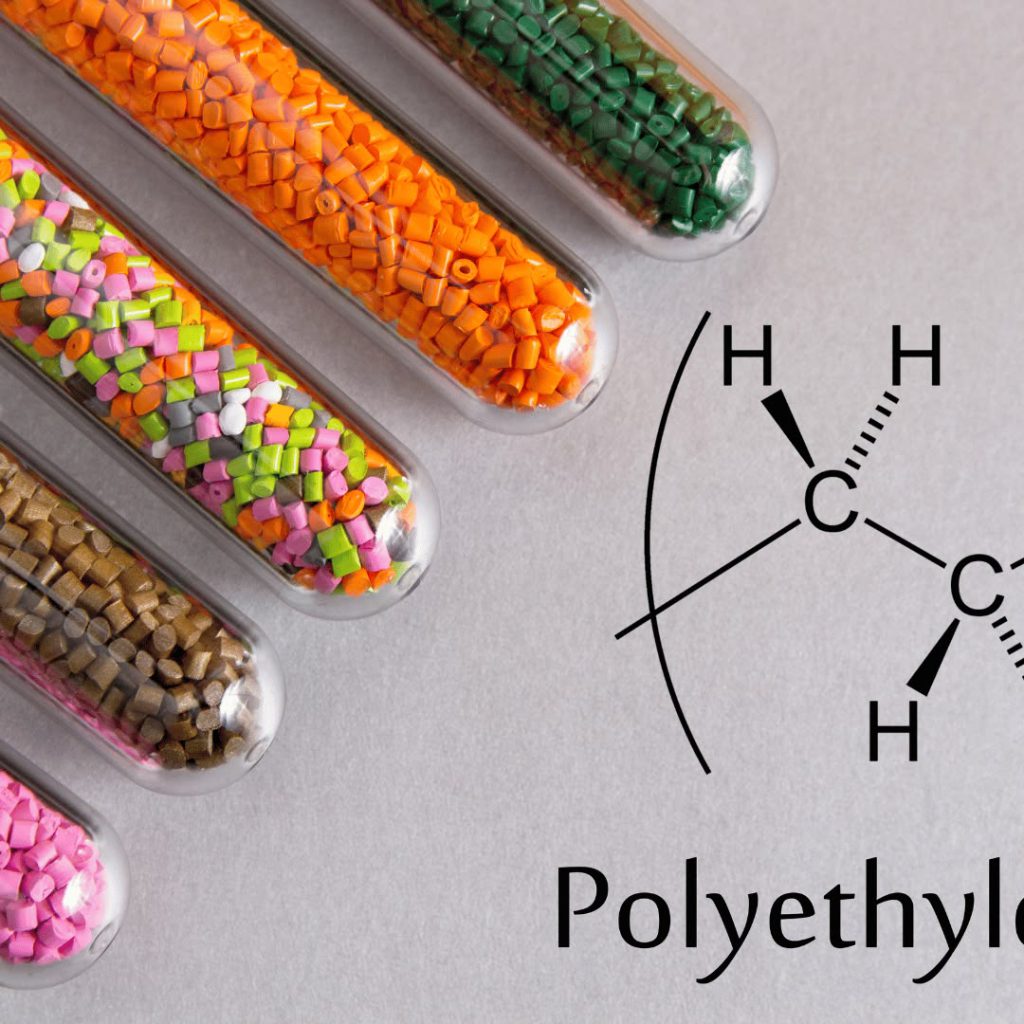
Polypropylene vs ABS: Which Plastic Is Better? Polypropylene vs ABS is an important comparison for manufacturers choosing thermoplastics for injection molding, automotive components, consumer products, and industrial applications. Polypropylene (PP) is generally valued for its low density, moisture resistance, and resistance to many chemicals, while ABS is often selected for rigid components requiring good impact […]
Polypropylene Processing Problems: 7 Common Causes
Polypropylene Processing Problems: 7 Common Causes and Solutions Polypropylene processing problems can reduce production efficiency, damage product appearance, affect mechanical properties, and increase manufacturing costs. Common defects include poor melt flow, surface imperfections, polymer degradation, inconsistent impact strength, warpage, contamination, and uneven filler dispersion. Understanding these polypropylene processing problems helps manufacturers identify root causes instead […]
How to Improve Polypropylene Impact Strength
How to Improve Polypropylene Impact Strength Polypropylene impact strength describes the ability of polypropylene (PP) to withstand sudden mechanical loading without fracturing under specified test conditions. Manufacturers can improve this property by selecting a suitable PP grade, evaluating compatible impact modifiers, controlling mineral filler content, and optimizing compounding and processing conditions. The best solution depends […]
Polypropylene Additives in Injection Molding
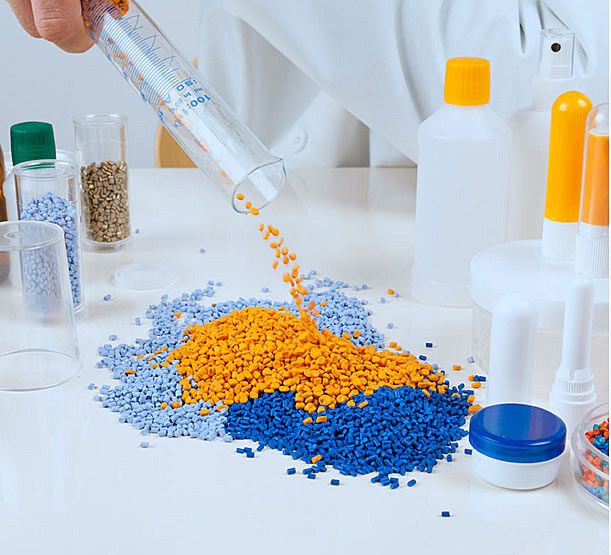
Polypropylene Additives for Injection Molding Polypropylene is widely used in injection molding because of its low density, chemical resistance, stiffness, and processability. However, some applications require additional properties that depend on the resin grade and formulation. Suitable additives can help improve thermal stability, impact resistance, outdoor durability, dimensional stability, and processing consistency. Selecting the right […]