


Polypropylene vs ABS: Key Differences
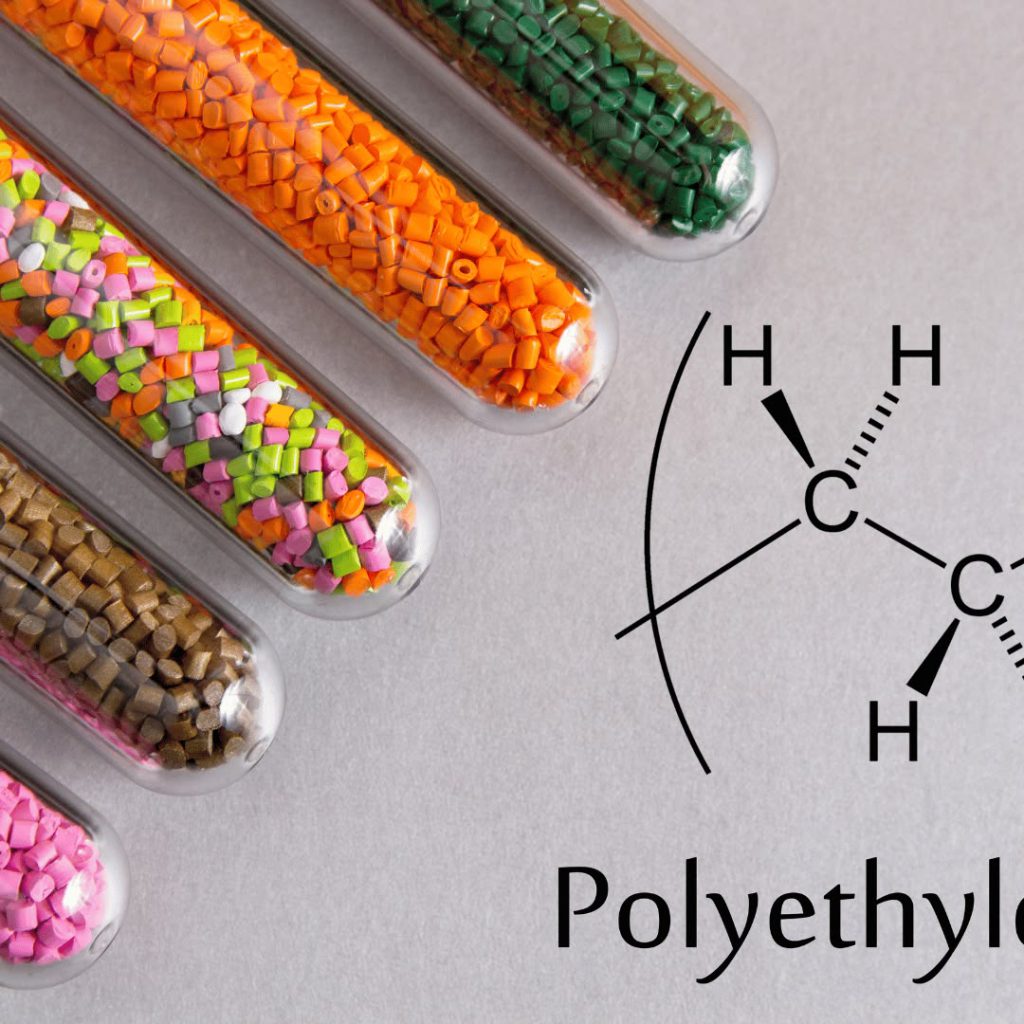
Polypropylene vs ABS: Which Plastic Is Better? Polypropylene vs ABS is an important comparison for manufacturers choosing thermoplastics for injection molding, automotive components, consumer products, and industrial applications. Polypropylene (PP) is generally valued for its low density, moisture resistance, and resistance to many chemicals, while ABS is often selected for rigid components requiring good impact […]
How to Improve Polypropylene Impact Strength
How to Improve Polypropylene Impact Strength Polypropylene impact strength describes the ability of polypropylene (PP) to withstand sudden mechanical loading without fracturing under specified test conditions. Manufacturers can improve this property by selecting a suitable PP grade, evaluating compatible impact modifiers, controlling mineral filler content, and optimizing compounding and processing conditions. The best solution depends […]
Silica Fillers in Polymers: Types & Applications
Silica Fillers in Polymer Compounds: Types and Applications Silica Fillers are silicon dioxide-based materials used in selected polymer formulations to modify rheology, reinforcement, surface characteristics, and functional performance. Their effects depend on silica type, particle size, specific surface area, surface chemistry, dispersion, and compatibility with the polymer matrix. Precipitated silica and fumed silica serve different […]
Mineral Fillers in Plastics: Types & Benefits

Mineral Fillers in Plastics: Types, Benefits and Applications Mineral Fillers in Plastics are inorganic materials incorporated into polymer formulations to modify stiffness, dimensional stability, processing behavior, and material cost. Common examples include calcium carbonate, talc, silica, and kaolin. Each filler has different characteristics, so the right choice depends on the polymer, manufacturing process, and required […]
Impact Modifiers for Injection Molding

Impact Modifiers for Injection Molding: Benefits and Applications Impact modifiers for injection molding are polymer additives used to improve the toughness and impact resistance of plastic components. The appropriate modifier depends on the base resin, molding conditions, required mechanical properties, and the environment in which the finished part will operate. Selecting a compatible formulation can […]
Functional Fillers in Polymer Compounds: More Than Cost Reduction

Functional Fillers are widely used in polymer compounds not only to reduce formulation cost, but also to enhance material performance and functionality. In modern plastic compounding, fillers are increasingly selected based on their ability to improve mechanical, thermal, and processing properties rather than serving as simple extenders. Rethinking the Role of Fillers in Polymers Traditionally, […]
Polymer Fillers in Industrial Compounds
Introduction to Polymer Fillers Polymer fillers play a critical role in modern polymer compound formulation by improving mechanical properties, reducing material costs, and enabling specific functional characteristics. These materials are widely used in plastics, coatings, adhesives, and elastomers across multiple industries. In industrial polymer systems, fillers are not merely inert components. Their particle size, surface […]