


Impact Modifiers in Polypropylene Compounds

Impact Modifiers are essential additives in polypropylene (PP) compounds, designed to improve toughness, impact resistance, and overall durability. Polypropylene is widely used in industrial, packaging, automotive, and consumer products due to its low cost, chemical resistance, and ease of processing. However, unmodified PP can be brittle, especially at low temperatures or under sudden mechanical stress. […]
Polymer Stabilizers in Recycled Plastics
Polymer Stabilizers play a crucial role in recycled plastics by enhancing thermal stability, UV resistance, and long-term durability. As recycled polymers are increasingly used in industrial and packaging applications, stabilizers ensure consistent performance despite variations in feedstock quality. Asad Shimi provides high-quality polymer stabilizers tailored for recycled polyethylene (PE), polypropylene (PP), and other engineering plastics, […]
Titanium Dioxide (TiO₂) in Polymer Applications
Titanium Dioxide in Polymers plays a crucial role in enhancing opacity, brightness, and UV resistance in plastic products. As one of the most widely used white pigments in the polymer industry, titanium dioxide (TiO₂) improves aesthetic quality while contributing to durability and long-term performance. In polyethylene (PE), polypropylene (PP), PVC, and engineering plastics, this additive […]
Calcium Carbonate Masterbatch in Polyolefin Applications
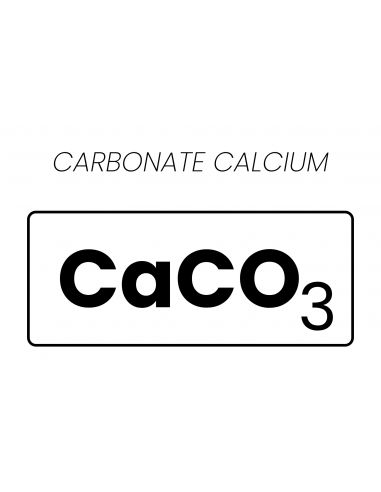
Calcium Carbonate Masterbatch is widely used in polyolefin compounds to enhance mechanical properties, improve processing behavior, and reduce formulation costs. In polyethylene (PE) and polypropylene (PP) applications, mineral-filled masterbatches provide a balanced combination of stiffness, dimensional stability, and economic efficiency. By incorporating controlled particle sizes and optimized dispersion systems, manufacturers can achieve consistent performance across […]
Impact Modifiers for Engineering Plastics
Impact Modifiers are functional additives used to improve the toughness and crack resistance of engineering plastics. Materials such as polypropylene (PP), polycarbonate (PC), ABS, and high-performance polyamides often require enhanced impact performance for automotive, construction, and industrial applications. By incorporating impact modifiers, manufacturers can produce components with better durability, longer service life, and higher reliability. […]
Nucleating Agents for Polypropylene: Enhancing Crystallization and Performance
Nucleating Agents are specialized additives used in polypropylene (PP) to control crystallization behavior and improve overall material performance. Polypropylene is a semi-crystalline polymer, and its mechanical properties, transparency, and processing efficiency are strongly influenced by crystal structure formation during cooling. By introducing controlled nucleation sites, manufacturers can significantly enhance product quality and production speed. Why […]
UV Stabilizers for Outdoor Polyolefin Applications
UV Stabilizers are essential additives used to protect polyolefin materials from degradation caused by prolonged exposure to sunlight. Polyethylene (PE) and polypropylene (PP) are widely used in outdoor applications, yet ultraviolet radiation can initiate photo-oxidative reactions that reduce mechanical strength, cause discoloration, and shorten product lifespan. Proper stabilization significantly improves durability and long-term performance. Why […]
Compatibilizers in Polymer Blends
Compatibilizers play a critical role in polymer blends by improving interfacial adhesion between otherwise immiscible polymers. In many industrial formulations, combining two or more polymers allows manufacturers to balance cost, performance, and processing behavior. However, most polymer pairs are thermodynamically incompatible, which can lead to phase separation and weak mechanical properties. Proper use of compatibilizing […]
Flame Retardant Additives for Polyolefin Compounds
Flame Retardant Additives are crucial components in polyolefin compounds, designed to enhance fire resistance, improve safety, and ensure regulatory compliance. Polyolefins such as polyethylene (PE) and polypropylene (PP) are widely used in industrial, automotive, and consumer applications, but their inherent flammability poses challenges. By incorporating flame retardant systems, manufacturers can significantly reduce the risk of […]
Processing Aids in Polymer Compounding
Processing Aids are essential additives used in polymer compounding to improve melt flow, reduce processing defects, and enhance production efficiency. In modern plastic manufacturing, achieving stable processing conditions is critical for maintaining product quality and minimizing downtime. Processing aids help optimize polymer behavior during extrusion, injection molding, and other forming processes. Why Processing Aids Are […]