


Table of Contents
Calcium Carbonate Masterbatch is widely used in polyolefin compounds to enhance mechanical properties, improve processing behavior, and reduce formulation costs. In polyethylene (PE) and polypropylene (PP) applications, mineral-filled masterbatches provide a balanced combination of stiffness, dimensional stability, and economic efficiency. By incorporating controlled particle sizes and optimized dispersion systems, manufacturers can achieve consistent performance across a wide range of industrial applications.
What Is Calcium Carbonate Masterbatch?
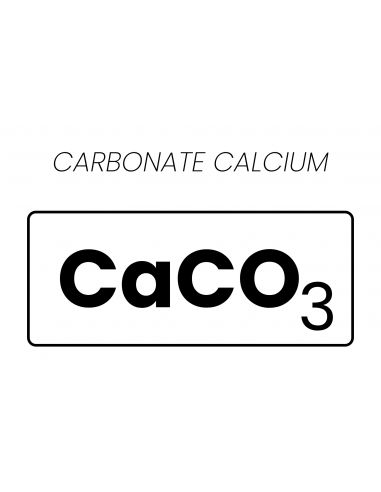
Calcium carbonate masterbatch consists of finely ground CaCO₃ dispersed in a polymer carrier resin compatible with the base material. The masterbatch format ensures easier handling, cleaner processing, and uniform filler distribution compared to direct powder feeding. Proper dispersion is essential to avoid agglomeration and maintain mechanical integrity.
Key Benefits in Polyolefin Compounds
- Improved stiffness and flexural modulus
- Enhanced dimensional stability
- Better heat resistance in certain formulations
- Reduced raw material cost
- Improved extrusion stability
When properly formulated, calcium carbonate masterbatch can increase rigidity without severely compromising impact strength. The balance between filler loading and mechanical performance depends on particle size, surface treatment, and processing conditions.
Applications Across Industries
Filled polyolefin compounds are widely used in packaging films, injection-molded household products, pipes, automotive interior components, and sheet extrusion. In film production, calcium carbonate masterbatch can improve opacity and reduce shrinkage. In rigid applications, it enhances stiffness and surface hardness while lowering overall compound cost.
Processing Considerations
Uniform dispersion is critical for optimal performance. Twin-screw extrusion is commonly used to incorporate masterbatch into base polymers. Particle size distribution significantly affects mechanical properties, surface smoothness, and optical behavior. Fine and surface-treated grades typically provide better compatibility and reduced wear on processing equipment.
Loading levels must be optimized carefully. High filler content may reduce impact strength or elongation at break, while insufficient loading limits cost and stiffness advantages. Laboratory trials and rheological testing help determine ideal formulation parameters.
Synergy with Other Additives
Calcium carbonate masterbatch is often combined with antioxidants, processing aids, UV stabilizers, and impact modifiers to create multifunctional compounds. This integrated approach ensures balanced mechanical properties, processing efficiency, and long-term durability. Proper additive compatibility is essential to avoid migration, discoloration, or mechanical inconsistencies.
Quality Control and Testing
Evaluation methods include tensile and flexural testing, impact resistance analysis, melt flow index (MFI) measurement, and microscopic dispersion studies. These tests confirm consistent filler distribution and mechanical reliability in the final product.
Sustainability and Cost Efficiency
Incorporating mineral-filled masterbatch supports material optimization strategies by reducing dependency on virgin polymer content. This contributes to cost control and improved resource efficiency. In recycled polyolefin systems, carefully selected filler masterbatches can also help improve dimensional stability and surface finish.
Role of Asad Shimi
Asad Shimi supplies high-quality calcium carbonate masterbatch tailored for polyolefin applications. Through technical consultation, formulation optimization, and strict quality control, the company supports manufacturers in achieving consistent dispersion, improved mechanical balance, and competitive production costs. With industry expertise and reliable supply, Asad Shimi helps clients develop efficient and high-performance polymer compounds.
In addition to performance enhancement, Asad Shimi carefully engineers calcium carbonate masterbatch to optimize density according to the specific requirements of each application. By controlling particle size distribution, surface treatment, and filler loading levels, the company ensures that the final compound achieves the desired balance between stiffness, impact strength, and weight. Density management is particularly important in film, injection molding, raffia, and blow molding applications, where even slight variations can influence product performance, processing stability, and overall material consumption.
Asad Shimi’s technical team works closely with manufacturers to determine the appropriate calcium carbonate percentage that maintains mechanical integrity while improving cost efficiency. Proper dispersion technology prevents agglomeration, enhances surface smoothness, and supports uniform thickness in finished products. The masterbatch is compatible with polyethylene (PE) and polypropylene (PP) grades and is designed to deliver stable melt flow behavior during high-speed production. With consistent bulk density and controlled moisture content, Asad Shimi ensures reliable feeding, smooth extrusion, and predictable final product weight, enabling customers to optimize both performance and production economics.
Internal and External Resources
For related topics, explore our articles on
nucleating agents for polypropylene
and
anti-block additives for polyethylene films.
Additional technical references:
ScienceDirect on calcium carbonate and
Encyclopaedia Britannica on calcium carbonate.
By integrating optimized calcium carbonate masterbatch solutions, manufacturers can enhance performance, improve process stability, and achieve cost-effective production in diverse polyolefin applications.