


Table of Contents
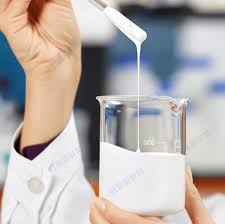
Waterborne acrylic resins are innovative polymers designed to provide high performance while minimizing environmental impact.Unlike solvent-based systems, waterborne resins utilize water as the primary carrier, reducing volatile organic compound (VOC) emissions and making industrial processes safer for workers and the environment.Their versatility allows usage in coatings,paints,adhesives,and various specialty applications.
Introduction to Waterborne Acrylic Resins
Acrylic resins are polymers composed of acrylate and methacrylate monomers.When formulated as waterborne systems,these resins maintain strong adhesion,chemical resistance,and durability while offering an eco-friendly alternative to traditional solvent-based coatings.The shift to waterborne resins is driven by stricter environmental regulations, corporate sustainability goals,and increased demand for safer industrial chemicals.
Chemical Structure and Properties
Waterborne acrylic resins are typically composed of acrylic monomers such as methyl methacrylate (MMA), butyl acrylate (BA),and hydroxyethyl acrylate (HEA). The polymer chains contain functional groups that enhance film formation, flexibility,and adhesion. The presence of hydrophilic groups allows the resin to be dispersed in water,creating stable emulsions.These resins exhibit excellent weathering resistance,UV stability,and color retention, making them ideal for both indoor and outdoor applications.
Processing and Application Methods
Waterborne acrylic resins are processed using conventional coating and adhesive techniques,including spraying, brushing, roll coating, and dip coating. Proper formulation ensures good wetting,leveling,and rapid drying. Additives such as defoamers,rheology modifiers,and coalescents are commonly used to optimize performance and application characteristics.The water-based nature of the resin simplifies cleanup,reduces fire hazards,and lowers production costs compared to solvent-borne systems.
Industrial Applications
The versatility of waterborne acrylic resins allows their use across a wide range of industries:
- Architectural Coatings: Interior and exterior paints offering durability, color retention, and low VOC emissions.
- Protective Coatings: Industrial floors, machinery, and metal surfaces requiring chemical and abrasion resistance.
- Adhesives: Wood, paper, textiles, and packaging applications benefiting from strong bonding and flexibility.
- Automotive Coatings: Primers, topcoats, and clearcoats with excellent gloss and weathering performance.
- Specialty Applications: Laminates, textiles, and composites where eco-friendly formulations are required.
Advantages of Waterborne Acrylic Resins
The key benefits of waterborne acrylic resins include reduced environmental impact, compliance with VOC regulations, and improved safety for workers. They provide excellent film formation, color retention, and adhesion. Flexibility in formulation allows tuning of hardness, gloss, and chemical resistance. Additionally, waterborne systems facilitate easy cleanup, reduce flammability risks, and support sustainable industrial processes.
Environmental and Safety Considerations
Waterborne acrylic resins are significantly safer than solvent-based alternatives, but proper handling is still required. Protective equipment should be used when handling concentrated emulsions, and storage conditions should prevent freezing or contamination. These resins contribute to cleaner indoor air quality, lower emissions, and reduced fire hazards, aligning with environmental standards and corporate sustainability initiatives.
Future Trends
The future of waterborne acrylic resins lies in enhanced performance, bio-based raw materials, and smart coating systems. Research focuses on increasing chemical and scratch resistance, improving adhesion to diverse substrates, and developing self-healing or anti-microbial coatings. The combination of high performance and eco-friendly benefits ensures that waterborne acrylic resins will play a critical role in sustainable industrial solutions.
In addition, advances in polymer chemistry are enabling the creation of hybrid resins that combine acrylic properties with polyurethane,epoxy,or silicone functionalities,resulting in coatings that offer superior durability, flexibility,and environmental resistance.These innovations allow manufacturers to produce paints and coatings with longer lifespans,reduced maintenance requirements,in industrial applications.
The adoption of bio-based monomers and renewable feedstocks is further enhancing the sustainability profile of waterborne acrylic resins,making them an attractive option for companies aiming to meet stringent environmental regulations and corporate responsibility goals.
As industries increasingly prioritize green manufacturing and sustainable materials, waterborne acrylic resins are expected to see growing demand across construction,automotive, packaging, electronics,and specialty industrial sectors, solidifying their position as a key solution for the next generation of eco-friendly and high-performance coatings.