


Table of Contents
Propylene Carbonate is widely recognized as a safe and versatile industrial solvent with growing importance in modern chemical manufacturing. Due to its excellent solvency power, low toxicity, and high boiling point, it has become a preferred choice across multiple industries including batteries, coatings, pharmaceuticals, and specialty chemicals.
Introduction to Propylene Carbonate
As industries move toward safer and more sustainable chemical solutions, solvent selection plays a critical role in process efficiency and environmental compliance. Propylene Carbonate stands out because it combines strong chemical performance with improved safety characteristics. Its ability to replace more hazardous solvents makes it increasingly valuable in industrial applications.
What Is Propylene Carbonate?
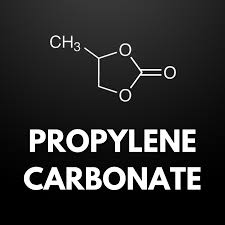
Propylene Carbonate is an organic carbonate ester with the chemical formula C4H6O3. It is a colorless, odorless liquid with high polarity, allowing it to dissolve a wide range of organic and inorganic compounds. Unlike many traditional solvents, it has low vapor pressure, which significantly reduces worker exposure and emissions.
Key Chemical and Physical Properties
This solvent features a high boiling point of approximately 242 °C, low flammability, and excellent dielectric properties. Its strong polarity makes it highly effective in dissolving resins, polymers, and electrolytes. Additionally, Propylene Carbonate exhibits excellent thermal stability, making it suitable for high-temperature industrial processes.
Production Process
Propylene Carbonate is typically produced through the reaction of propylene oxide with carbon dioxide. This process is considered environmentally favorable because it utilizes CO2 as a raw material, contributing to carbon utilization strategies. Modern production methods focus on high efficiency, catalyst optimization, and minimal by-product generation.
Industrial Applications
Propylene Carbonate is used across a broad range of industries due to its versatility. Common applications include:
- Industrial solvent for resins, polymers, and adhesives
- Coatings and surface treatment formulations
- Intermediate in chemical synthesis
- Plasticizer in polymer systems
- Cleaning agent in precision manufacturing
Its compatibility with various materials allows manufacturers to improve formulation stability while maintaining high performance.
Role in Battery and Energy Storage
One of the most important modern uses of Propylene Carbonate is in lithium-ion battery electrolytes. Its high dielectric constant and electrochemical stability make it suitable for energy storage systems. The growing demand for electric vehicles and renewable energy solutions has significantly increased interest in this solvent for battery applications.
Environmental and Safety Advantages
Compared to conventional solvents, Propylene Carbonate offers notable environmental and safety benefits. Its low volatility reduces air emissions, while its relatively low toxicity improves workplace safety. Additionally, the use of carbon dioxide in its production aligns with green chemistry principles and supports sustainability initiatives in chemical manufacturing.
Storage and Handling Guidelines
Propylene Carbonate should be stored in tightly sealed containers in cool, dry, and well-ventilated areas. Although it is less flammable than many organic solvents, standard industrial safety procedures should be followed. Proper labeling, spill control measures, and personal protective equipment help ensure safe handling during storage and transportation.
When storing large quantities, it is recommended to use secondary containment systems, such as bunded pallets or trays, to prevent leaks from spreading and contaminating the surrounding area. Containers should be checked regularly for signs of corrosion, damage, or leaks, and any compromised containers should be replaced immediately. Propylene Carbonate should not be stored near strong oxidizers or sources of heat, as chemical reactions could compromise safety. In addition, facilities handling this solvent should ensure that fire suppression equipment, such as extinguishers suitable for chemical fires, is readily available and personnel are trained in its use.
During transportation, Propylene Carbonate should be secured to prevent tipping, rolling, or puncture of the containers. Proper ventilation in trucks or shipping containers is recommended to minimize the buildup of any vapors. Workers handling this solvent should wear protective gloves, eye protection, and clothing that prevents skin contact. In case of accidental spills, absorbent materials such as sand or inert pads can be used to contain and collect the liquid. The collected material should then be disposed of in accordance with local environmental regulations. By following these detailed storage and handling practices, industries can maximize safety and maintain the quality and effectiveness of Propylene Carbonate in all applications.
Future Outlook
The future demand for Propylene Carbonate is expected to grow steadily as industries prioritize safer solvents and advanced energy technologies. Expanding applications in batteries, green chemistry, and specialty materials position this compound as a key component in next-generation industrial processes. Ongoing research aims to further enhance production efficiency and broaden its industrial use.