


Table of Contents
- What Are Bio-Based Plasticizers?
- Advantages of Bio-Based Plasticizers
- Applications in Industrial Polymers
- Processing Considerations
- Integration with Other Polymer Additives
- Environmental and Regulatory Compliance
- Performance and Durability
- Future Trends in Bio-Based Plasticizers
- References and Further Reading
Bio-based plasticizers are essential for producing sustainable, flexible polymer products while reducing environmental impact. Unlike traditional phthalate-based plasticizers, bio-based alternatives are derived from renewable resources and provide comparable performance in industrial polymer applications. Asad Shimi supports manufacturers by supplying high-quality bio-based plasticizers and providing technical guidance for their integration into polymer formulations.
What Are Bio-Based Plasticizers?
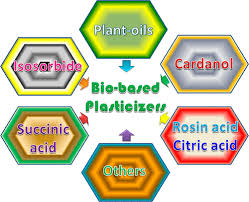
Bio-based plasticizers are chemical additives that improve polymer flexibility, processability, and durability. They are derived from renewable raw materials such as vegetable oils, citrates, or bio-based esters, making them environmentally friendly alternatives to conventional phthalates. These additives are widely used in PVC, polyurethane, and other polymer systems that require flexibility and compliance with environmental regulations.
Asad Shimi provides a wide range of bio-based plasticizers optimized for industrial polymers, ensuring compatibility, uniform dispersion, and excellent mechanical properties.
Advantages of Bio-Based Plasticizers
The primary benefits of bio-based plasticizers include reduced toxicity, regulatory compliance, improved sustainability, and comparable performance to traditional plasticizers. They reduce VOC emissions during processing and provide safer alternatives for both industrial and consumer products. Polymers modified with bio-based plasticizers demonstrate enhanced flexibility, lower processing temperatures, and longer service life.
Asad Shimi’s expertise ensures that bio-based plasticizers are correctly selected and integrated, maximizing performance and safety while maintaining cost-effectiveness.
Applications in Industrial Polymers
Bio-based plasticizers are widely employed in flexible PVC, polyurethane foams, elastomers, coatings, adhesives, and medical polymers. Key applications include flooring, cable insulation, automotive interiors, medical tubing, and packaging. These additives maintain polymer flexibility and mechanical strength while meeting stringent environmental and safety standards.
Asad Shimi collaborates with manufacturers to identify the optimal bio-based plasticizer for each polymer application, ensuring both compliance and high performance.
Processing Considerations
When incorporating bio-based renewable plasticizers, it is essential to optimize polymer type, additive concentration, and processing parameters. Uniform mixing prevents phase separation, ensures consistent properties, and maintains polymer stability. Advanced compounding methods, such as twin-screw extrusion and high-shear mixing, enhance additive integration.
Asad Shimi assists manufacturers in fine-tuning processing conditions to maximize performance while minimizing energy consumption and waste.
Integration with Other Polymer Additives
Bio-based plasticizers often work in combination with stabilizers, antioxidants, flame retardants, and fillers. Proper integration ensures uniform dispersion and prevents adverse interactions that could affect polymer performance. Asad Shimi provides guidance on compatible additive combinations to optimize both mechanical and fire-resistant properties.
Environmental and Regulatory Compliance
Bio-based renewable plasticizers reduce environmental impact by lowering VOC emissions and avoiding phthalates. These additives support manufacturers in meeting global regulations, including REACH, RoHS, and FDA requirements. Their non-toxic nature makes them suitable for food-contact, medical, and consumer products.
Asad Shimi ensures that all bio-based plasticizers supplied are compliant with international safety standards, providing both technical documentation and regulatory support.
Performance and Durability
Polymers containing bio-based renewable plasticizers exhibit long-term flexibility, thermal stability, and resistance to embrittlement. These properties are critical for industrial products like flexible tubing, cables, coatings, and elastomeric components. The right bio-based renewable plasticizers maintains performance across varying temperatures and stresses.
Assad Shimie conducts testing and quality assurance to confirm that bio-based plasticizers deliver consistent mechanical and chemical performance throughout the product lifecycle.
Future Trends in Bio-Based Plasticizers
The trend in polymer additives is moving toward sustainable, high-performance bio-based solutions. Research focuses on synergistic combinations of bio-based plasticizers with other environmentally friendly additives, enhancing flexibility, mechanical strength, and thermal performance at lower concentrations.
Asad Shimi continues to innovate by providing advanced bio-based eco-friendly plasticizers that support manufacturers in creating eco-friendly, high-quality polymer products while maintaining cost efficiency and regulatory compliance.
References and Further Reading
For technical insights on bio-based plasticizers, see:
ScienceDirect: Bio-Based Plasticizers and
ISO polymer standards.
Visit the Asad Shimi polymer additives page for detailed product information and solutions.