


Table of Contents
- What Are Bio-Based Polyesters?
- Key Properties of Bio-Based Polyester Materials
- Bio-Based Polyesters in Industrial Applications
- Packaging and Consumer Products
- Coatings, Adhesives, and Resins
- Textiles and Fibers
- Environmental Benefits of Renewable Polyester Polymers
- Challenges and Limitations
- Future Outlook of Bio-Based Polyesters
- References and Further Reading
Bio-based polyesters are gaining significant attention as industries shift toward sustainable and environmentally responsible materials. These polymers offer a practical balance between performance and sustainability, making them a strong alternative to conventional petroleum-based polyester systems. By utilizing renewable raw materials, manufacturers can reduce environmental impact while maintaining industrial-grade functionality.
What Are Bio-Based Polyesters?
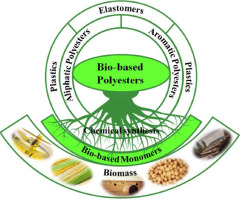
Bio-based polyesters are polymeric materials produced partially or entirely from renewable biological feedstocks such as plant sugars, vegetable oils, or biomass-derived monomers. Unlike traditional polyester materials that rely heavily on fossil resources, these polymers integrate renewable carbon sources into their molecular structure.
From a chemical standpoint, their backbone structure remains similar to conventional polyester compounds, which allows them to exhibit comparable mechanical strength, thermal resistance, and chemical stability. This structural similarity enables easy integration into existing manufacturing and processing systems without major equipment changes.
Key Properties of Bio-Based Polyester Materials
Sustainable polyester materials derived from renewable sources demonstrate a wide range of desirable properties. These include good tensile strength, flexibility, chemical resistance, and dimensional stability under industrial conditions. Their performance can be tailored by adjusting monomer composition, molecular weight, and processing parameters.
In addition to mechanical performance, renewable polyester polymers often show improved environmental profiles. Reduced carbon footprint, lower dependency on non-renewable resources, and compatibility with recycling technologies make them suitable for long-term sustainability strategies.
Bio-Based Polyesters in Industrial Applications
The versatility of bio-based polyesters allows their use across multiple industrial sectors. Their adaptability makes them suitable for applications requiring durability, processability, and environmental compliance.
Packaging and Consumer Products
In packaging applications, bio-derived polyester systems are widely used for films, containers, and flexible packaging. These materials provide excellent barrier properties and mechanical strength while supporting sustainability goals. Their use helps manufacturers meet regulatory requirements related to environmental impact and material safety.
Coatings, Adhesives, and Resins
Coating and adhesive formulations benefit from renewable polyester polymers due to their strong adhesion, chemical resistance, and formulation flexibility. These materials are commonly used in protective coatings, industrial finishes, and specialty resin systems where performance consistency is critical.
Textiles and Fibers
The textile industry increasingly adopts sustainable polyester materials for fibers and fabrics. These materials offer durability, resistance to wear, and compatibility with modern textile processing techniques. Their renewable origin also aligns with growing consumer demand for eco-friendly apparel and technical textiles.
Environmental Benefits of Renewable Polyester Polymers
One of the main advantages of bio-based polyesters lies in their reduced environmental footprint. Life-cycle assessments indicate that these materials can significantly lower greenhouse gas emissions compared to petroleum-based alternatives. The use of renewable feedstocks contributes to carbon cycle balance and resource conservation.
Furthermore, many next-generation polyester compounds are designed with recyclability or biodegradability in mind. This supports circular economy models by extending material life cycles and minimizing waste generation.
Challenges and Limitations
Despite their advantages, sustainable polyester materials face certain challenges. Feedstock availability, production costs, and variability in raw material quality can impact large-scale adoption. In some applications, achieving the same performance level as traditional polyester systems may require advanced formulation techniques.
Ongoing research focuses on catalyst optimization, hybrid material systems, and improved processing technologies to overcome these limitations. As production efficiency improves, cost competitiveness is expected to increase.
Future Outlook of Bio-Based Polyesters
The future of bio-based polyesters is closely linked to innovation in green chemistry and materials engineering. Research efforts are aimed at developing high-performance formulations, bio-based monomers with enhanced stability, and advanced recycling solutions.
As regulatory pressure and market demand for sustainable materials continue to rise, renewable polyester polymers are expected to play a central role in packaging, coatings, textiles, and advanced industrial applications. Their combination of performance and environmental responsibility positions them as a cornerstone of modern polymer technology.